Steam Shower & Home Sauna Cost in Vancouver, WA: 2026 Wellness Bathroom Guide
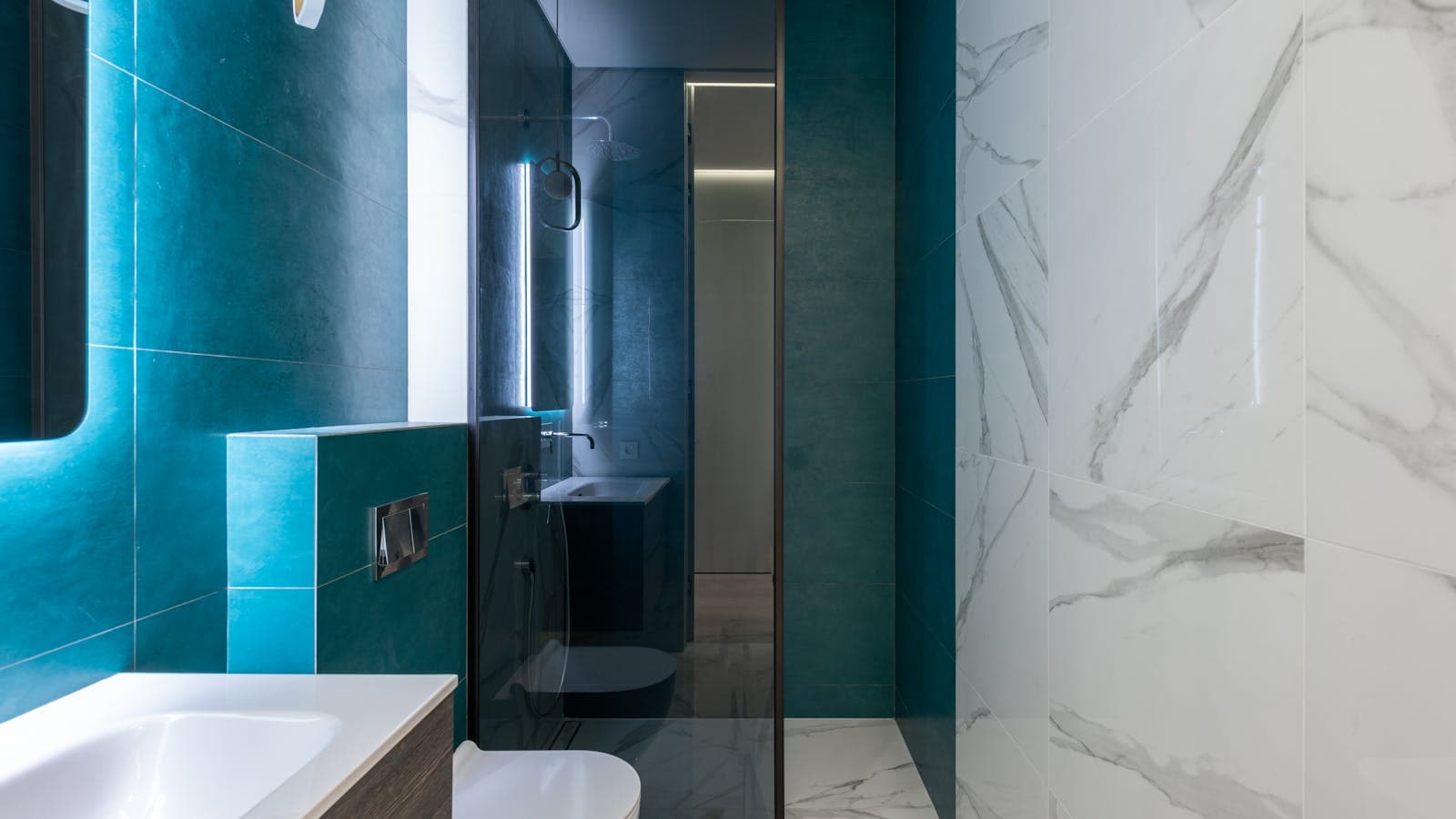
Steam shower cost in Vancouver, WA runs $4,500 to $18,000+ installed in 2026, and a home sauna lands between $3,500 and $22,000+ depending on whether you go with a pre-fab infrared cabin or a built-in traditional cedar room. Both upgrades sit at the top of the wellness bathroom wishlist for Clark County homeowners — and the Pacific Northwest climate makes them more practical here than almost anywhere else in the country.
This guide walks through real 2026 pricing for steam showers and home saunas, the head-to-head comparison most homeowners actually want, the PNW-specific build requirements that protect your investment, and where these upgrades fit into a broader spa bathroom remodel. If you're weighing wellness upgrades for a Vancouver-area home, you'll leave with concrete numbers and a clear next step.
Get a Wellness Bathroom Estimate
Planning a steam shower, home sauna, or full wellness bathroom in Vancouver or Clark County? Our team gives free, no-pressure quotes with realistic line-item pricing.
Request a Free ConsultationKey Takeaways
- Steam shower cost: $4,500 to $18,000+ installed in Vancouver, WA. Generator alone runs $1,200 to $4,500
- Home sauna cost: $3,500 to $8,000 for pre-fab infrared, $8,000 to $22,000+ for built-in traditional cedar
- Designer demand: Steam showers rank as the #2 most-recommended spa feature at 44 percent of designer recommendations (Fixr 2026)
- Pacific region ROI: Midrange bathroom remodels return 87.7 percent at resale, highest in the U.S. (Cost vs. Value 2025)
- PNW match: Vancouver averages 150-plus precipitation days per year (NOAA), making dry sauna heat and on-demand steam practical year-round
- Health evidence: 4-7 weekly sauna sessions linked to reduced cardiovascular and dementia risk in Finnish cohort studies (Mayo Clinic Proceedings)
Steam Shower & Sauna Cost Snapshot (2026)
Wellness bathroom features have moved from luxury category to mainstream upgrade in the past five years. The Fixr 2026 Design Trends survey found steam showers ranked second among all spa features at 44 percent of designer recommendations, behind only heated floors. Saunas are growing fast too — the global home sauna market is projected to reach $1.5 billion by 2030 per Grand View Research, growing 7.4 percent annually.
Here's the high-level picture for Vancouver-area pricing in 2026, before we dig into the line items.
- Budget steam shower: $4,500 – $8,000 (small generator, basic enclosure, porcelain tile)
- Mid-range steam shower: $9,000 – $14,000 (sealed glass, chromotherapy, aromatherapy port, sloped ceiling)
- Luxury steam shower: $15,000 – $25,000+ (large generator, body jets, smart controls, natural stone, sound system)
- Pre-fab infrared sauna (1–2 person): $3,500 – $5,500
- Pre-fab infrared sauna (3–4 person): $5,500 – $8,000
- Built-in traditional sauna (small): $8,000 – $14,000
- Built-in traditional sauna (large): $14,000 – $22,000+
Steam Shower vs. Home Sauna Installed Cost — Vancouver, WA (2026)
Sources: Angi, HomeGuide, This Old House, GVX Remodeling project pricing 2026
Steam Shower Cost in Vancouver, WA: Full Breakdown
A steam shower's installed cost is the sum of three buckets: the steam generator itself, the enclosure upgrades needed to contain steam safely, and any premium controls or features. Per Angi's 2026 steam shower cost guide, the national average installed cost runs $4,000 to $14,000, with the Pacific region trending 10 to 20 percent higher than the national mean because of labor rates and PNW-specific waterproofing requirements.
Steam generator: $1,200 – $4,500
The generator is the boiler that produces steam. It's about the size of a briefcase and mounts inside a vanity cabinet, utility closet, or attic within 25 feet of the shower. Generators are sized in kilowatts based on the enclosure's cubic footage, type of tile (porcelain vs. natural stone), and ceiling height. A typical 4x6 shower with porcelain tile and an 8-foot ceiling needs roughly a 7–9 kW generator. Add capacity for stone, glass walls, or higher ceilings.
Top brands in the Vancouver market include MrSteam, Steamist, ThermaSol, and Kohler. Expect $1,200 to $2,200 for a residential 6–9 kW generator and $2,500 to $4,500 for premium 10–15 kW units with steam-head zone control or dual-output capability.
Enclosure upgrades: $1,800 – $7,000
This is where steam shower budgets often surprise homeowners. A standard tile shower won't hold steam — the enclosure has to be sealed top to bottom. That means a sloped ceiling (so condensation drips off walls instead of onto your head), a fully tempered glass enclosure with a transom or vapor-tight top, a continuous vapor barrier behind every tile surface, and a steam-rated door sweep.
In the Pacific Northwest, the vapor barrier work matters more than it does in dry climates. Our ambient indoor humidity already runs 50 to 65 percent for half the year. Without a properly bonded waterproofing membrane like Schluter Kerdi or Laticrete Hydro Ban, steam will find its way into wall cavities and rot framing within five to seven years. We've replaced more than one ten-year-old steam shower in Clark County where the installer skipped this step.
Steam-rated controls and features: $300 – $4,500
Basic digital controls run $300 to $700. Smart controls with phone app integration, scheduling, and multi-user presets cost $800 to $1,500. Premium add-ons include:
- Aromatherapy reservoir: $200 – $500
- Chromotherapy LED system: $400 – $1,500
- Built-in audio system: $500 – $2,000
- Body jets (3–6 jet system): $1,500 – $4,000
- Steam head with second outlet: $300 – $700
Labor and electrical: $1,200 – $3,500
A steam generator needs a dedicated 240V circuit pulled to the install location, which means a licensed electrician and typically a Clark County electrical permit. If your panel is already at capacity, factor in an electrical panel upgrade on top of the steam shower budget. Tempered water supply to the generator is also required and adds plumbing labor.
Pro tip: Add steam during a planned bathroom remodel rather than retrofitting later. The waterproofing, electrical, and plumbing work is already happening, so the marginal cost of steam capability drops 30 to 40 percent compared with cutting open finished walls and starting over.
Home Sauna Installation Cost by Type
Home saunas split into three categories, and the price difference between them is significant. Per HomeGuide's 2026 sauna cost data, the national installed range runs $3,000 to $20,000+, with infrared models accounting for the majority of new residential installs.
Infrared sauna: $3,500 – $8,000
Infrared cabins use carbon or ceramic emitters to warm the body directly, rather than heating the surrounding air. They run at lower temperatures (110 to 140 degrees) than traditional saunas and plug into a standard 120V or 240V outlet, depending on size. Most pre-fab infrared cabins ship as flat-pack assemblies that fit through a standard doorway and install in a single day.
Pricing depends on size and emitter quality:
- 1–2 person cabin: $3,500 – $5,500 (Sun Home, Therasage, JNH)
- 3–4 person cabin: $5,500 – $8,000
- Premium full-spectrum (near + mid + far IR): $6,500 – $12,000
Operating cost is modest: about $0.15 to $0.40 per session at Clark Public Utilities residential rates, assuming a 30-minute session at a 1.6 kW load.
Pre-fab traditional sauna: $5,000 – $12,000
These are dropped-in cedar or hemlock cabins that use a conventional electric heater (or, less often, a wood stove). They run hot — 160 to 195 degrees — with the option to add water to the rocks for short bursts of steam (löyly). A pre-fab kit ships with pre-cut wall panels, the heater, benches, and hardware. Installation takes one to three days.
Heater capacity is the main spec to size correctly. A 6 kW heater handles roughly 250 cubic feet (think 4x5 with a 7-foot ceiling). For larger rooms, step up to 8 to 9 kW. Traditional electric heaters need a dedicated 30 to 60 amp 240V circuit, which often triggers a panel upgrade in older Vancouver homes built pre-1980.
Built-in custom sauna: $8,000 – $22,000+
Built-in saunas are framed and finished as part of the home — usually carved out of an existing basement, garage corner, or master bath alcove. They use the same heaters as pre-fab models, but the cabin itself is framed in 2x4 with vapor barrier, foil-faced insulation, and tongue-and-groove cedar paneling installed onsite. This route lets you customize layout, glass walls, benches, and lighting to fit the exact space.
Built-in cost drivers include cedar grade (clear vertical grain runs 40 to 60 percent more than knotty), heater brand (Harvia and Tylo dominate the premium tier), glass front walls, and floor drainage. A well-built custom sauna in a Vancouver basement remodel typically lands at $12,000 to $18,000 all-in. For broader basement budget context, see our basement finishing cost guide.
Outdoor barrel and cabin saunas: $4,500 – $25,000+
An outdoor barrel sauna or freestanding cabin is a popular PNW alternative because it doesn't consume interior square footage. Barrel kits start around $4,500 for a 4-person size; finished cedar cabin saunas with porches and electrical hookups can exceed $25,000. Plan on a poured pad or pier foundation, electrical run from the house, and any required setback approvals from Clark County. If you're already planning an outdoor living build, an outdoor sauna can share infrastructure and save $1,500 to $3,000.
Considering Steam, Sauna, or Both?
We'll walk through your bathroom layout, electrical capacity, and budget to recommend the right wellness upgrade for your Clark County home — with line-item pricing.
Request a Free EstimateSteam Shower vs. Sauna: Which Fits Your Home?
Most Vancouver homeowners we work with start by asking for a steam shower because it doubles as a daily shower. Saunas come up later as a separate wellness decision once the bathroom layout is set. Here's the side-by-side comparison that usually clarifies the call.
Heat type and physiology
Steam runs at 100 to 120 degrees with near-100 percent humidity. The wet heat opens airways, hydrates skin, and feels comfortable for long sessions. Saunas run dry at 150 to 195 degrees, drive deeper sweating, and elevate core body temperature more aggressively. Infrared falls in the middle — lower air temperature but direct body warming.
Footprint and integration
A steam shower fits inside an existing or new shower enclosure, so the footprint is the same as your shower. A sauna needs its own room or cabin and consumes 16 to 60+ square feet. If your master bath is tight, steam is almost always the easier path. If you have a basement, garage corner, or backyard space, a sauna becomes a real option. See our garage conversion cost guide if a garage corner or full conversion is on the table.
Cost to install
Pure cost favors infrared saunas at the bottom (around $3,500) and budget steam showers at the next tier (around $4,500). Built-in traditional saunas and luxury steam showers land in the $15,000 to $22,000 range with similar all-in numbers. The decision usually comes down to where the unit goes, not the price tag.
Daily usability
Steam wins for frequency. You step into the same shower you already use, hit the steam button, and add 10 to 20 minutes to your routine. Saunas typically pull people out for a dedicated session three to five times per week. Both have value — just be honest about which one you'll actually use.
Resale and buyer perception
Steam showers are now expected in $700K+ Clark County master baths. Saunas are still a differentiator that attracts wellness-focused buyers but doesn't hurt others. Outdoor saunas in particular read as a lifestyle feature in the Vancouver market. For a wider look at which upgrades actually pay back at sale, see our best home renovation ROI guide.
Quick verdict
- Tight master bath, daily use: Steam shower is the right call.
- Wellness-first lifestyle, available square footage: Built-in or outdoor sauna.
- Want both, smaller budget: Steam shower in the master + pre-fab infrared cabin in a spare room or basement.
- Luxury build, no constraints: Both, integrated as adjoining wet and dry zones in a spa suite.
PNW Build Requirements That Protect Your Investment
Vancouver, WA averages 150-plus precipitation days per year and indoor humidity levels that climb above 60 percent for stretches of fall and winter, per NOAA's Portland/Vancouver climate data. That ambient moisture load is the single biggest reason steam showers and saunas fail prematurely in our region. The fix isn't exotic — it's consistent, code-respecting build practices.
Continuous waterproofing membrane
Every steam shower needs a bonded waterproofing system behind the tile on every wall, the ceiling, and the floor. Schluter Kerdi, Laticrete Hydro Ban, and Wedi are the systems we specify most often. The membrane has to wrap into the niche, behind the bench, and up the ceiling to the slope. Skip this and you'll have framing rot in five to seven years — we've seen it firsthand on remodels we've been called in to fix.
Sloped ceiling and steam-rated glass
Steam ceilings should slope at least 2 inches per foot toward a drain wall so condensation runs off rather than raining down on bathers. Glass enclosures need a vapor-tight transom or full-glass top to keep steam contained, and the door requires a steam-rated sweep. Standard frameless shower glass with an open top doesn't qualify.
Exhaust ventilation sized for steam
Washington state code requires bathroom exhaust vented to the exterior. For a steam shower bathroom, spec a fan rated at minimum 1 CFM per square foot and ideally use a humidity-sensing model that runs until levels drop to safe ranges. The same logic applies if a sauna shares the bathroom — oversize the fan rather than just hitting code minimum. Our mold remediation cost guide covers what happens when ventilation is undersized in Clark County bathrooms.
Sauna vapor barrier and insulation
Built-in saunas need foil-faced insulation (R-13 minimum in walls, R-19 in ceilings) with the foil side facing inward. The foil reflects heat back into the cabin and doubles as a vapor barrier protecting wall cavities. Tongue-and-groove cedar paneling installs over the foil with a 1-inch air gap furring strip. Skip the foil layer and the sauna will leak heat, burn more electricity, and trap moisture in the framing.
Cedar grade and species
Western Red Cedar (clear vertical grain) is the PNW standard for sauna interiors — it's rot resistant, dimensionally stable at high temperature, and locally available. Hemlock and Nordic White Spruce are alternates. Avoid pine, which weeps sap when heated. Plan on $7 to $14 per square foot for clear vertical grain cedar in 2026.
Drainage
Steam showers always have a floor drain; that's baseline. Saunas don't require one, but a center floor drain in a built-in sauna makes cleaning easier and adds longevity. For outdoor barrel saunas, the pad needs a slight slope and gravel base — standing water under a wood structure shortens its life dramatically in Clark County's wet season.
Permits and Code in Vancouver / Clark County
Both steam showers and built-in saunas trigger permits in the City of Vancouver and unincorporated Clark County. Skipping permits voids most homeowner insurance coverage on related water or fire damage, and it surfaces during home inspections at sale time. Here's what to expect.
Steam shower permit checklist
- Plumbing permit: Required for new or modified water supply to the steam generator. Fee runs $85 to $200.
- Electrical permit: Required for the dedicated 240V circuit feeding the generator. Fee runs $85 to $200.
- Inspection: Plumbing rough-in, electrical rough-in, and final all require Clark County inspections.
Sauna permit checklist
- Pre-fab indoor sauna: Electrical permit only for the dedicated heater circuit ($85 – $200).
- Built-in indoor sauna: Electrical permit plus a building permit if framing changes affect a load-bearing wall ($150 – $400).
- Outdoor cabin or barrel sauna: Building permit if the structure exceeds 200 sq ft or is hardwired, plus electrical permit for the run from the house.
For a full walkthrough of the city and county permit process, including timelines and how to handle inspector callbacks, see our Vancouver, WA remodel permits and inspections guide.
What the Health Research Actually Says
Steam and sauna use have moved from anecdote to evidence base over the past decade, primarily driven by Finnish cohort studies. The most cited is the 2018 Mayo Clinic Proceedings review of more than 2,300 middle-aged Finnish men published in Mayo Clinic Proceedings. Key findings:
- Cardiovascular mortality: Men who used a sauna 4–7 times per week had a 50 percent lower risk of fatal cardiovascular disease versus 1x/week users
- All-cause mortality: Frequent users showed a 40 percent lower all-cause mortality risk
- Dementia and Alzheimer's: Frequent sauna use associated with significantly reduced risk of both
- Blood pressure and stroke: Regular use linked to lower blood pressure and reduced stroke incidence
These are observational findings, not randomized trials, and they apply primarily to traditional dry sauna at 170+ degrees. Steam and infrared have less direct research, though physiological studies show comparable acute effects on heart rate and circulation. The practical takeaway for most homeowners: 3 to 5 weekly sessions is a reasonable target, and consistency matters more than session length.
In the PNW specifically, both modalities help offset the vitamin D and seasonal mood challenges that come with our long gray season. Anecdotally, every Clark County client who's added a sauna to their remodel has told us they use it most in November through February.
Do Steam Showers and Saunas Add Resale Value?
Neither feature returns its full installed cost in a one-to-one dollar exchange at resale. What they do is differentiate the listing and shorten time on market in the right price band. The 2025 Cost vs. Value Report shows midrange bathroom remodels return 87.7 percent in the Pacific region (the highest in the country) and upscale bathroom remodels return 64.6 percent. A steam shower included as part of an upscale build inherits that envelope.
In the Vancouver-area median home price of $549,000 (Redfin, 2025) and the $700K+ master suite tier, here's what we see in practice:
- Steam shower in $700K+ master: Increasingly an expectation rather than a wow factor. Helps homes sell faster against comps without one.
- Sauna as a separate room: A differentiator that resonates with wellness-focused buyers (typically 5 to 12 percent of the buyer pool in this region). Doesn't hurt other buyers if it's well-designed and not consuming bedroom square footage.
- Outdoor barrel or cabin sauna: Reads as a lifestyle feature, similar to a hot tub. Mild positive impact on appraised value, strong impact on listing photos and buyer interest.
If you're weighing whether to spend on wellness upgrades versus other rooms, our 2026 bathroom design trends guide shows what Clark County buyers are actually choosing. And if you're still deciding whether to remodel at all versus moving, our remodel or move comparison walks through the math.
Wellness Bathroom Planning Checklist
If you're moving from research to actual planning, here's the checklist we walk Clark County clients through during a wellness bathroom consultation. Working through these in order keeps the project on schedule and prevents the most common surprises.
- Define the use case. Daily steam versus 3x/week sauna versus both. Be honest about frequency.
- Audit the space. Master bath square footage, ceiling height, basement potential, garage corner, or backyard pad area.
- Check electrical capacity. Pull the main panel cover and check for available 240V circuit space. If your panel is 100A and full, plan on a panel upgrade.
- Set a realistic budget tier. Use the cost ranges in this guide. Add 10 to 15 percent contingency for PNW-specific waterproofing surprises in older homes.
- Confirm permits and HOA rules. Check if your home is in an HOA with restrictions on accessory structures (relevant for outdoor saunas).
- Get three contractor bids. Specifically ask each contractor about steam-rated waterproofing membrane and sauna foil insulation. The answers tell you a lot about whether they've done this before.
- Plan for ventilation. Confirm exhaust fan capacity meets or exceeds 1 CFM per sq ft.
- Schedule around the rest of the project. Bundle wellness upgrades with a full remodel to capture the 30 to 40 percent savings on shared rough-in.
For broader bathroom budget planning that situates wellness within your full project, see our bathroom remodel cost guide and master bathroom spa remodel feature guide. If financing is part of the equation, our home remodel financing guide covers HELOC, home equity loan, and cash-out refi options for Clark County homeowners.
Ready to Plan Your Wellness Bathroom?
GVX Remodeling builds steam showers, saunas, and full spa bathrooms across Vancouver, Camas, Battle Ground, and Clark County. We'll walk through layout, electrical, waterproofing, and budget — free consultation, no obligation.
Schedule a Free ConsultationFrequently Asked Questions
How much does a steam shower cost in Vancouver, WA?
Steam showers in Vancouver, WA run $4,500 to $18,000+ installed in 2026. Budget builds with a small generator and porcelain tile run $4,500 to $8,000. Mid-range builds with sealed glass enclosures, mood lighting, and aromatherapy ports run $9,000 to $14,000. Luxury builds with body jets, smart controls, and natural stone exceed $15,000. Adding steam during an existing shower remodel saves roughly 30 to 40 percent versus retrofitting later.
Is a home sauna worth it in the Pacific Northwest?
For most Vancouver, WA homeowners, yes. The PNW averages 150-plus precipitation days per year (NOAA), and dry heat from a sauna offsets the constant ambient damp that contributes to muscle stiffness and seasonal mood changes. A small two-person infrared cabin starts around $3,500 and a built-in traditional sauna runs $8,000 to $22,000+. Operating cost is modest at roughly $0.15 to $0.40 per session.
Do steam showers add resale value?
Steam showers don't return their full cost in dollars at resale, but they help homes sell faster in the $500K+ Clark County market where buyers expect spa-quality master baths. Midrange bathroom remodels return 87.7 percent in the Pacific region (Cost vs. Value 2025), the highest recovery rate in the country. A steam shower included in a full bathroom remodel inherits that strong return.
What is the difference between a steam shower and a sauna?
Steam showers use a generator to produce 100 to 120 degree wet heat at near 100 percent humidity inside a sealed shower. Saunas use dry heat at 150 to 195 degrees with very low humidity in a dedicated wood-lined room. Steam is gentler on the lungs and easier to fit into an existing bathroom. Saunas drive deeper sweating and deeper core temperature changes but need a separate cabin and a 30 to 60 amp electrical circuit.
Do I need a permit for a steam shower or sauna in Clark County?
Yes, in most cases. Steam showers require electrical and plumbing permits because the generator needs a dedicated 240V circuit and tempered water supply. Built-in saunas need an electrical permit. Outdoor saunas may need a building permit if they exceed 200 square feet or are hardwired. Permit fees in Vancouver and Clark County run $85 to $350 depending on scope. See our Vancouver permits and inspections guide for full timeline details.
How long does a steam shower or sauna installation take?
A steam shower added during a full bathroom remodel adds 1 to 2 weeks to the project, mostly for waterproofing, vapor sealing, and generator hookup. A standalone steam retrofit in an existing shower runs 2 to 4 weeks. A pre-fab infrared sauna installs in a single day if electrical is in place. A built-in traditional sauna takes 1 to 3 weeks for framing, insulation, cedar paneling, and heater installation.
Sources & References
- Fixr — 2026 Bathroom Design Trends Survey
- Angi — Steam Shower Cost Guide (2026)
- HomeGuide — Home Sauna Cost (2026)
- Remodeling Magazine — 2025 Cost vs. Value Report (Pacific Region)
- Mayo Clinic Proceedings — Cardiovascular and Other Health Benefits of Sauna Bathing (2018 Review)
- Grand View Research — Sauna Market Size & Share Report
- NOAA — Portland/Vancouver Climate Data (2025)
- Redfin — Vancouver, WA Housing Market (2025)
- NKBA — 2026 Design Trends Report
Written by
GVX Remodeling Team
Practical steam shower, home sauna, and wellness bathroom guidance from the GVX Remodeling team, helping Clark County homeowners build spa-quality spaces engineered for the Pacific Northwest climate.