
Vancouver, WA Remodeling Permits & Inspections: 2026 Homeowner Guide
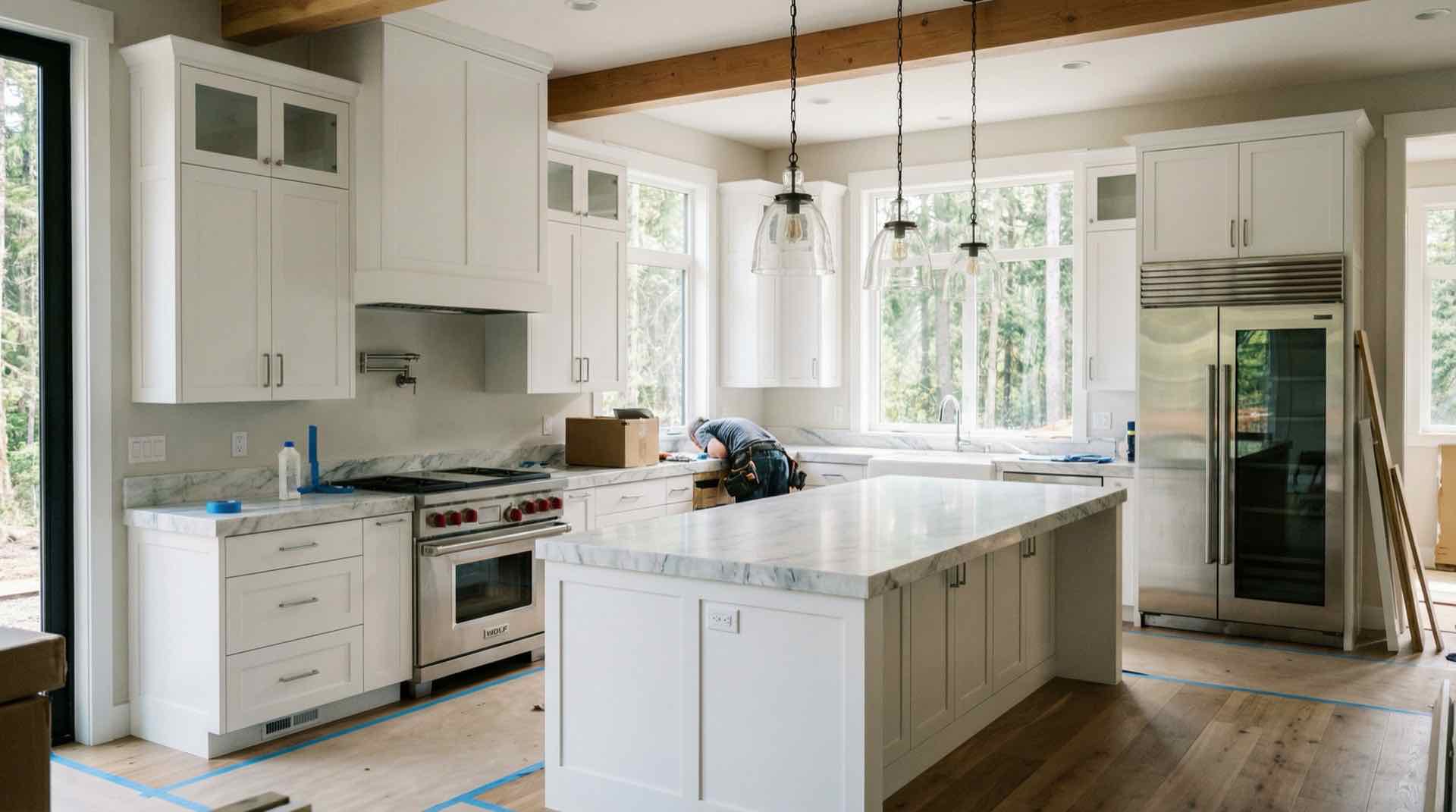
Vancouver and Clark County permit requirements can feel confusing, but most remodels follow a predictable path. This guide breaks down what triggers permits, how inspections work, and how to keep your schedule on track. Use it to plan your project, protect resale value, and avoid costly rework.
Quick Start CTA
Want a permit-ready plan for your remodel? We can review scope, drawings, and code requirements before you spend on materials.
Schedule a Free ConsultationWhat triggers a permit in Vancouver, WA?
Permits are required when work impacts safety, structure, or major systems. In Vancouver and Clark County, the most common permit triggers include structural changes, plumbing moves, electrical upgrades, HVAC modifications, and changes to the building envelope. Cosmetic changes like paint, flooring, or cabinet swaps typically do not require a permit, but the moment you move plumbing, change a wall, or alter load paths, permitting becomes essential.
Jurisdiction matters. Homes inside Vancouver city limits follow the City of Vancouver permitting process, while homes in unincorporated areas of Clark County follow county requirements. If you are unsure, we can verify the jurisdiction before plans are finalized. This prevents delays caused by submitting to the wrong office or using the wrong permit forms.
Permits also come into play when multiple trades are involved. A kitchen remodel that adds a new circuit, moves a sink, and reconfigures a wall is almost always permitted because it crosses electrical, plumbing, and structural scopes. In contrast, a cabinet door replacement may not require any permit at all. The gray area is where planning and professional guidance make the difference.
Below are typical examples homeowners run into during remodeling:
- Kitchen remodels that move plumbing, add circuits, or remove walls for open-concept layouts.
- Bathroom remodels that relocate fixtures, add heated floors, or require new ventilation.
- Siding replacement that includes shear wall changes or window resizing.
- Window replacements that alter rough openings or switch from retrofit to full-frame installs.
- Additions, ADUs, or basement finishing with new egress or structural framing.
If you are unsure, a professional consult can save time. GVX can review the scope before you buy materials or schedule trades. See our service pages for typical project scopes: kitchen remodeling, bathroom remodeling, siding replacement, and window replacement.
Special cases include historic districts, HOA requirements, and projects that change the exterior appearance of the home. These can add design review steps, so it is best to flag them early in the planning phase.
Typical permit process in Vancouver and Clark County
Permit processes vary by scope, but most projects follow the same sequence. Planning early is the best way to avoid delays during demolition or rough-in inspections.
Many permit applications are now submitted digitally, which speeds communication but still requires complete documentation. We help homeowners organize plans, product data sheets, and any structural notes so reviewers can approve the package in fewer rounds.
- Define scope and gather plans. This may include structural drawings, fixture specs, and site notes.
- Submit application to the City of Vancouver or Clark County depending on jurisdiction. Some projects require separate electrical or mechanical permits.
- Plan review and corrections. The city may request clarifications or additional details.
- Permit issuance and inspection schedule. Once approved, you can begin work and book inspections at key milestones.
- Rough inspections for framing, plumbing, and electrical.
- Final inspection to close the permit and document compliance.
If your remodel includes financing, some lenders require proof of permits and final sign-off. Our financing team can help align the budget and timeline. Learn more about remodeling financing options.
Permit fees and documentation checklist
Permit fees vary by project scope, valuation, and the number of trades involved. As a rule of thumb, permit fees are a small percentage of the overall project cost, but they should be included in the initial estimate so your budget remains predictable. For larger remodels, multiple permits may be bundled together to keep administration efficient.
While every project is different, homeowners often see permit fees that range from a few hundred dollars for small mechanical changes to several thousand dollars for additions or ADUs. The key is to confirm the fee schedule early and account for any required plan review or re-inspection costs.
A typical documentation checklist includes:
- Project scope summary with clear notes on changes.
- Scaled floor plan or layout drawings.
- Structural notes for wall changes or additions.
- Fixture specifications and mechanical details.
- Electrical load calculations if new circuits are added.
The more complete the package, the faster the plan review. This is especially important for projects like home additions or ADU construction, which often involve multiple review steps.
Inspection checklist by trade
Inspections are not just paperwork. They confirm safety and protect long-term resale value. The checklist below outlines the typical inspections for common remodels.
| Trade | Typical inspection points | Common remodels |
|---|---|---|
| Structural / Framing | Load paths, headers, fastening, shear walls | Open-concept kitchens, additions, ADUs |
| Plumbing | Supply lines, drain slope, venting, pressure tests | Bathrooms, kitchens, laundry relocations |
| Electrical | Dedicated circuits, GFCI/AFCI, panel capacity | Kitchen upgrades, heated floors, lighting |
| Mechanical | Bath fan sizing, ducting, exterior venting | Bathroom remodels, whole-home updates |
| Final | Fixtures, safety, code compliance, labeling | All permitted projects |
For projects in Vancouver neighborhoods, inspections can sometimes be coordinated to minimize downtime. If you are remodeling in a specific area, check the city-specific service pages under service areas.
Project-specific permit notes
Different remodel types have unique requirements. Use these quick notes to anticipate the most common permit triggers for each scope.
Kitchen remodels
Kitchen projects frequently touch multiple trades: electrical circuits for appliances, plumbing for sinks, and sometimes structural changes for open-concept layouts. If you are planning a layout change, permits are almost always required. For scope and planning ideas, review our kitchen remodelingservices.
Bathroom remodels
Bathrooms often involve plumbing relocations, ventilation upgrades, and electrical changes for lighting or heated floors. For accessible design, additional clearances may be needed. See bathroom remodeling or senior ADA bathroomsfor common scopes.
Windows and siding
Window replacements are usually straightforward when keeping the same opening size, but any changes to rough openings or structural framing can trigger additional review. Siding projects may require inspection if shear walls, flashing, or waterproofing details are changed. Learn more about window replacement and siding replacement.
Additions, ADUs, and basement finishing
These projects typically involve structural plans, energy compliance, and multiple inspections. They also tend to require longer plan review. If you are exploring expansion options, visit home additions, ADU construction, and basement finishing.
How permits affect timeline and budget
Permits do not have to slow a project, but they do influence the critical path. A realistic schedule includes plan review time, inspection lead times, and a buffer for corrections. On a typical kitchen or bathroom remodel, permits can add one to four weeks to the pre-construction phase, depending on scope and seasonal demand.
Material lead times should be synced with permit approval. Ordering custom cabinets or specialty windows before permits are approved can create risk if a revision changes the layout. We typically lock selections after review to keep the schedule tight and avoid rework.
The best timelines start with the longest-lead items first: structural review, mechanical layouts, and any changes that touch the exterior envelope. When these steps are handled early, trades can move quickly once demolition begins. If you are planning a multi-room renovation, we recommend building a combined permit schedule so inspections are grouped rather than scattered.
Budget-wise, permit fees are a small percentage of the overall project but should be included early so the final estimate feels predictable. We typically build permits, inspections, and required documentation into the project plan so there are no surprises. If you are comparing scope and costs, start with our core services: whole-home remodeling, home additions, and basement finishing.
If speed is a priority, consider the trade-off between layout changes and finish upgrades. Structural changes often require longer plan review and additional inspections. Upgrading finishes within the existing layout can move faster and still deliver a dramatic transformation.
Common permit pitfalls (and how to avoid them)
Most permitting issues are preventable. The most common problems we see are incomplete drawings, scope changes after submission, and work starting before the permit is issued. A few practical tips:
- Finalize layout decisions before submitting plans to avoid revisions.
- Align material choices with code requirements (exhaust fans, tempered glass, egress windows).
- Schedule inspections early, especially in busy seasons.
- Keep a clear record of scope changes for final inspection.
If you are remodeling multiple spaces at once, a phased plan can reduce risk. Our whole-home remodeling teamhelps sequence permits to protect schedule and cash flow.
A common myth is that permits only matter for large projects. In reality, small changes like moving a sink, adding an outlet, or altering ventilation can require review. It is always safer to check first than to assume a permit is not needed.
Coordinating inspections and trades
Inspections happen at precise moments in the build. If framing is inspected too early or too late, trades can be delayed and materials may need to be reworked. Coordinated scheduling keeps the project moving and reduces downtime.
A typical sequence for a kitchen or bathroom remodel includes demolition, framing, rough plumbing, rough electrical, insulation if required, and then a final inspection after fixtures are installed. On larger projects, multiple trades may be scheduled on the same day to reduce time between inspections.
We build inspection milestones into the project plan and keep a buffer for corrections. This approach protects the overall timeline and ensures you never have trades waiting on approvals.
Inspection day prep
A smooth inspection is mostly about preparation. The inspector needs clear access to work areas and the ability to see critical details like framing connections, plumbing lines, and electrical boxes. Preparing the site the day before helps avoid re-inspection and saves time.
Homeowners can help by keeping pets secured, ensuring utilities are available, and communicating any access instructions ahead of time. These small steps make inspections faster and reduce the chance of rescheduling.
- Ensure all work areas are visible and not covered.
- Label new circuits and keep documentation on-site.
- Clear pathways to attics, crawl spaces, and panels.
- Have specs and drawings available for reference.
- Confirm any required testing is completed (pressure tests).
If a correction is required, we document the fix immediately and rebook the inspection to keep your project on schedule.
How permits protect resale and insurance
Permits are more than compliance. They document that work was done to code, which helps during resale and can prevent issues with home insurance claims. When unpermitted work is discovered during a sale, buyers may demand repairs or price reductions, and lenders can delay closing until issues are resolved.
Another benefit is clarity. Permits create a paper trail that answers questions about when and how the work was completed. If a future homeowner needs to service a wall, relocate plumbing, or upgrade a panel, the documentation makes those decisions safer and less expensive. It is one of the quiet but meaningful ways a professional remodel protects the value of your home.
Proper permits create a clean record of upgrades and help prove that the home meets current safety standards. This is especially important for structural changes, electrical upgrades, and plumbing modifications. If you are making improvements with long resale horizons, permit documentation is a smart investment.
Design-build vs. DIY: who should pull the permit?
Homeowners can pull permits, but the responsibility is significant. If you are coordinating multiple trades, it is usually more efficient for a licensed contractor to take on permitting and inspections. This ensures inspections align with the project plan and code compliance is handled by pros who do it daily.
In addition, contractors can help anticipate code requirements that are easy to miss, like ventilation sizing, electrical load, or window egress rules. That knowledge reduces the chance of re-inspection and helps you avoid change orders mid-project.
GVX handles permitting as part of the project scope. We work directly with inspectors, prepare documentation, and keep you informed so you always know where your project stands. If you prefer to manage the permit yourself, we can still support with design input and phased scheduling.
Permit-friendly planning tips for Vancouver remodels
A small amount of planning upfront saves weeks later. Use this checklist before submitting a permit.
We also recommend building a shared project folder with drawings, product selections, and inspection notes. When everyone works from the same set of documents, communication is smoother and changes are easier to track.
- Confirm jurisdiction: City of Vancouver or Clark County.
- Document the existing layout with photos and measurements.
- Decide on fixture locations and mechanical changes.
- Verify window sizes and egress requirements.
- Check electrical panel capacity before adding circuits.
- Build a realistic inspection schedule into the timeline.
Need help? Our project team offers a free pre-permit review during your consultation.
If you are remodeling in a specific neighborhood, we can also align your plan with local requirements and recommended materials. For city-specific pages, review our service areas and explore a local service page such as Vancouver kitchen remodeling.
Permit-Ready Remodel Planning Call
We will review your scope, identify required permits, and outline a realistic inspection timeline before construction begins.
Book Your ReviewPermit FAQ for Vancouver and Clark County homeowners
Do I need a permit for a kitchen remodel?
If you move plumbing, add circuits, or change walls, yes. A simple cabinet swap or countertop replacement typically does not require a permit.
What about bathroom remodels?
Most bathroom remodels require permits when plumbing or electrical is altered. Ventilation updates and heated floors often require inspections as well.
Do siding or window replacements require permits?
Like-for-like replacements may not, but any change to openings, structural elements, or shear walls usually does. Check with your contractor early.
How long does permit review take?
It varies by scope. Smaller permits can be reviewed quickly, while additions and ADUs often require longer plan review cycles.
Can I live in my home during permitted work?
In many cases, yes. A phased plan is often the best solution for kitchens, baths, and whole-home projects.
What happens if work starts without a permit?
It can trigger stop-work orders, additional fees, and rework. The safest approach is to confirm permit requirements before starting.
Sources & references
- City of Vancouver, WA Community and Economic Development: Building Permits
- Clark County Washington Building and Planning Department
- Washington State Department of Labor & Industries (L&I)
- International Code Council (IRC and IBC)
Written by
GVX Remodeling Team
Local insights from the GVX Remodeling team, focused on helping Vancouver homeowners navigate permitting, inspections, and successful remodel timelines.