
Aging-in-Place Kitchen Remodel Cost in Vancouver, WA (2026 Guide)
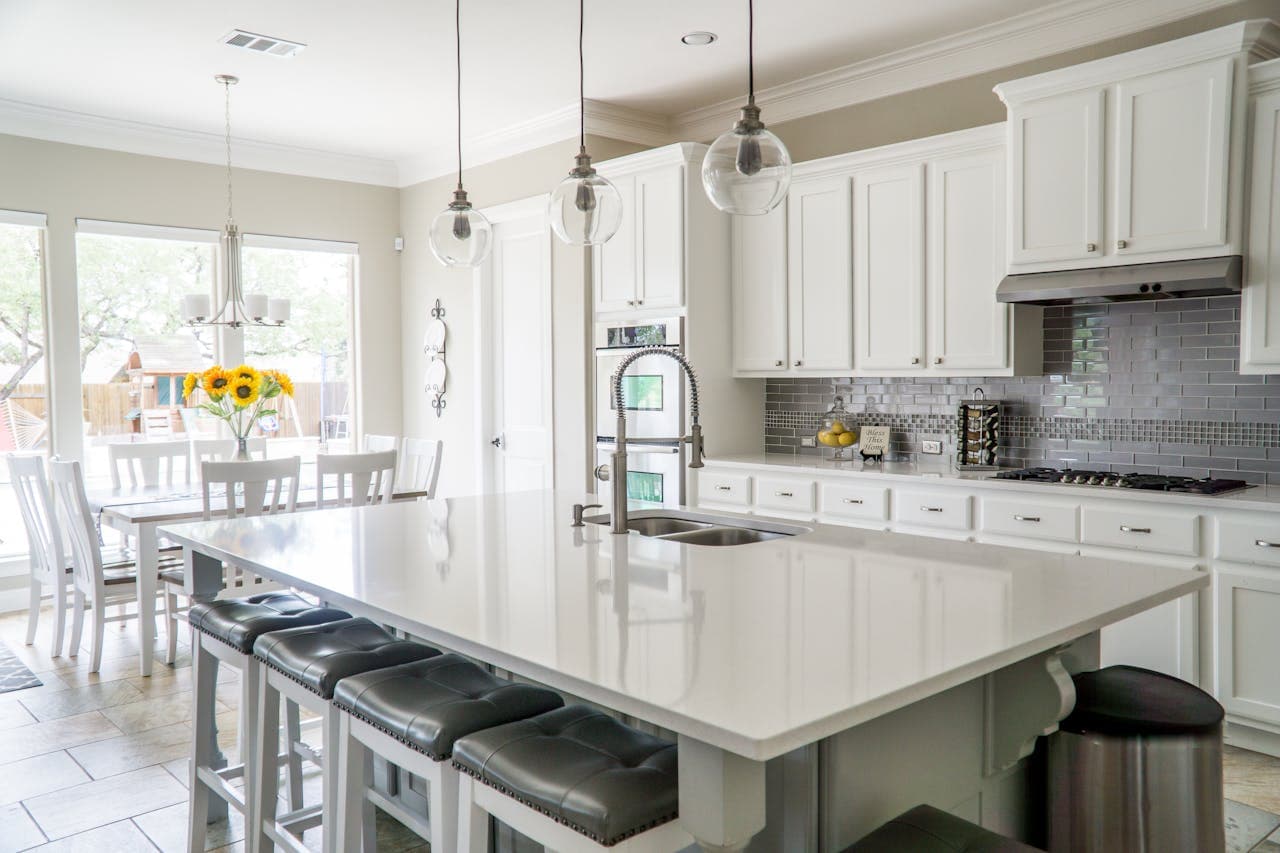
An aging-in-place kitchen remodel in Vancouver, WA costs $15,000 to $75,000+ in 2026, depending on how many universal design features you add and whether the project involves structural changes. A targeted accessibility upgrade — new hardware, better lighting, pull-out shelves — runs $15,000 to $25,000. A full universal design gut renovation with multi-height counters, wider walkways, and smart appliances starts at $50,000 and can exceed $75,000 for high-end finishes.
Clark County's senior population now tops 86,000 residents — 16.3% of the county, per Neilsberg demographic data. The 2026 Houzz Kitchen Trends Study found that 53% of renovating homeowners are now addressing current or future special needs in their kitchen projects, with 31% focused specifically on aging household members. These aren't niche modifications anymore — they're becoming standard practice in Vancouver, WA kitchen remodels.
This guide covers feature-by-feature pricing, the universal design principles that matter most, PNW-specific considerations, ROI data, and how to plan an aging-in-place kitchen that looks modern — not clinical. If you're already familiar with general kitchen remodel costs in Vancouver, WA, this guide layers accessibility pricing and design guidance on top of those baseline numbers.
TL;DR
Aging-in-place kitchen remodels in Vancouver, WA cost $15,000–$75,000+ in 2026. The highest-impact features are wider walkways (42–48″), multi-height counters with a 30″ seated zone, pull-down upper cabinet shelves ($150–$600 each), lever hardware, and under-cabinet task lighting. Universal design kitchens serve all ages and ability levels without looking institutional. Kitchen remodels return roughly 54% at resale per NAR, and accessibility features expand your buyer pool in a county where 1 in 6 residents is over 65.
Free Aging-in-Place Kitchen Consultation
Planning an accessible kitchen remodel in Vancouver, WA? Our team provides free consultations with universal design recommendations tailored to your home, mobility needs, and budget.
Request a Free ConsultationAging-in-Place Kitchen Remodel Cost Overview (2026)
Aging-in-place kitchen remodeling costs vary widely based on whether you're making targeted upgrades to an existing layout or gutting the space for a full universal design renovation. Per Fixr, the national average for aging-in-place home modifications is $3,000 to $15,000 for basic changes, but kitchen-specific projects that include cabinetry, countertops, and appliance upgrades run significantly higher.
Vancouver, WA homeowners should budget 8–15% above national averages due to higher construction wages in the Portland–Vancouver–Hillsboro MSA and Washington's 8.8% sales tax on materials (6.5% state + 2.3% local).
Aging-in-Place Kitchen Remodel Cost Tiers — Vancouver, WA (2026)
Sources: Fixr, Angi, HomeAdvisor, local contractor estimates. Vancouver, WA adjusted.
Here's how those tiers break down in practice for Vancouver, WA homeowners:
- Targeted upgrades ($15,000–$25,000): Swap knob hardware for lever pulls, add under-cabinet LED lighting, install 4–6 pull-out shelves or lazy Susans, replace the faucet with a single-lever or touchless model, add anti-fatigue mats, and improve general lighting. The existing layout stays intact.
- Mid-range universal design ($30,000–$50,000): Everything above, plus multi-height countertops with a 30-inch seated work zone, wider walkways (42–48 inches), new slip-resistant flooring, a wall oven at counter height, pull-down upper cabinet shelving, and upgraded task lighting throughout.
- Full gut renovation ($50,000–$75,000+): Complete layout redesign with custom universal design cabinetry, structural modifications (wall removal for open plan, doorway widening), smart appliances with voice control, toe-kick lighting, integrated charging stations, and premium finishes. This is where open floor plan remodel costs overlap — wall removal alone adds $3,000–$10,000.
Cost by Feature: Universal Design Kitchen Upgrades
The table below breaks down individual aging-in-place kitchen features with 2026 installed costs for Vancouver, WA. These prices include materials and labor and reflect the Portland–Vancouver metro labor premium.
| Feature | Installed Cost | Impact Level | Notes |
|---|---|---|---|
| Lever cabinet hardware (full kitchen) | $200 – $800 | High | Easiest upgrade; no tools for most installs |
| Touchless/lever faucet | $250 – $800 | High | Motion sensor or single-lever; reduces grip strain |
| Pull-out shelves (per shelf) | $100 – $350 | High | Retrofit into existing base cabinets |
| Pull-down upper shelf system (per unit) | $150 – $600 | High | Rev-A-Shelf or Hafele; eliminates overhead reaching |
| Under-cabinet LED task lighting | $400 – $1,500 | High | Hardwired; reduces shadows on counters |
| Toe-kick LED lighting | $300 – $900 | Medium | Motion-activated; prevents nighttime falls |
| Multi-height countertop section | $2,000 – $6,000 | High | 30″ seated zone; includes countertop + cabinet mods |
| Wall oven at counter height | $2,500 – $6,000 | High | Eliminates bending; side-opening preferred |
| Raised dishwasher (6–12″) | $800 – $2,000 | Medium | Custom cabinet platform; reduces bending |
| Doorway widening (per opening) | $800 – $2,500 | High | 36″ min clearance; structural if load-bearing |
| Slip-resistant flooring (full kitchen) | $3,000 – $8,000 | High | LVP or matte porcelain; see flooring guide |
| Smart appliance package | $5,000 – $15,000 | Medium | Voice-controlled range, fridge, dishwasher |
A common misconception is that aging-in-place modifications are expensive add-ons. In reality, many of these features cost the same or marginally more than standard options when integrated during a planned remodel. Lever hardware costs roughly the same as knobs. A touchless faucet is $50–$150 more than a standard single-handle model. The premium shows up mainly in structural work (widening doorways, multi-height counters) and specialty storage systems.
Pro Tip
If you're already planning a kitchen remodel, add universal design features during the project rather than retrofitting later. Integrating these during construction saves 40–60% compared to a standalone accessibility retrofit, per industry estimates. The incremental cost of a multi-height counter section during a gut remodel is $2,000–$4,000 — versus $4,000–$6,000 as a standalone project.
Universal Design Principles for Kitchens
Universal design makes spaces usable by people of all ages, sizes, and ability levels — without looking like a medical facility. The goal is a kitchen that works for a 30-year-old cooking dinner, a 70-year-old with arthritis, and a grandchild sitting at the island, all at the same time.
The seven principles of universal design, established by the Center for Universal Design at NC State University, translate to these practical kitchen priorities:
- Equitable use: Multiple counter heights so standing and seated users can prep food comfortably
- Flexibility: Adjustable shelving and pull-out storage that adapts to changing needs
- Simple and intuitive: Lever handles and touchless fixtures that require no grip strength or complex motions
- Perceptible information: High-contrast counter edges, clear appliance controls, and layered lighting at multiple levels
- Tolerance for error: Auto-shutoff burners, induction cooktops (no open flame), and anti-scald faucet valves
- Low physical effort: D-pull hardware, soft-close drawers, and appliances placed at ergonomic heights
- Size and space for approach: 42–48 inch walkways, 60-inch turning radius, and knee clearance under work surfaces
The key difference between universal design and strict ADA compliance: ADA standards are mandatory minimums for public spaces (like 60-inch turning radius and counters at 34 inches max). Universal design is a broader residential philosophy. Most Vancouver, WA aging-in-place kitchen remodels follow universal design principles rather than strict ADA code — the result looks like a premium modern kitchen, not a commercial accommodation.
Kitchen Layout and Walkway Requirements
Layout is the single most impactful — and often most expensive — element of an aging-in-place kitchen remodel. Standard kitchen walkways are 36 inches wide. For aging-in-place design, the recommended minimum is 42 inches between opposing counters, cabinets, or appliances. ADA guidelines specify 60 inches for a wheelchair turning radius and 40 inches for pass-through zones.
If your current Vancouver, WA kitchen has the common 1970s–1990s galley layout with 36-inch walkways, widening them to 42–48 inches may require removing a wall, relocating an island, or eliminating a bank of cabinets. Wall removal costs $3,000–$10,000 if load-bearing (see our open floor plan remodel cost guide for details). Non-load-bearing wall removal runs $1,000–$3,000.
The three layout types that work best for accessible kitchens:
- L-shaped with island: Wide open floor space on two sides. The island provides a seated prep zone at 30 inches while the perimeter stays at standard 36-inch height.
- U-shaped with one open side: Three walls of cabinetry with 48+ inches between opposing runs. Works well in larger kitchens (12×14 feet or more).
- Open-plan galley: One wall of cabinets with an island, opening to an adjacent living space. Provides the widest clearance and easiest wheelchair navigation.
Kitchen Walkway Widths — Standard vs. Accessible Design
Sources: ADA Standards for Accessible Design, Center for Universal Design (NC State)
Accessible Cabinetry and Storage Solutions
Standard upper cabinets are the biggest accessibility barrier in most kitchens. The top shelf of a wall cabinet mounted at 54 inches is unreachable for anyone under 5'4″, anyone with shoulder limitations, and anyone in a wheelchair. That wasted vertical space becomes a safety hazard when people stand on step stools or chairs to reach dishes.
Universal design cabinetry addresses this with three strategies:
- Pull-down shelf systems: Mechanized racks inside upper cabinets that lower to counter height with a handle pull. Rev-A-Shelf and Hafele are the two most common brands used by Vancouver, WA contractors. Expect $150–$600 per unit installed.
- Full-extension pull-out drawers: Replace standard base cabinet shelves with full-extension drawer slides. Items come to you instead of requiring bending and reaching into deep cabinets. $100–$350 per shelf retrofit.
- Lower upper cabinets: Mount wall cabinets 3–6 inches lower than standard height. This is free during new construction and $500–$1,500 during a retrofit (wall patching, remounting).
For cabinet refacing versus replacement, the aging-in-place factor may tip the decision toward replacement. Refaced cabinets keep the same box, which means the same shelf depths and heights. New cabinetry can be specified with full-extension hardware, varied interior heights, and pull-down systems from the factory.
The Pantry Problem
Deep pantry cabinets are another common pain point. Items get pushed to the back and forgotten. For aging-in-place kitchens, consider replacing a deep pantry with a pull-out pantry system — narrow shelves on full-extension slides that bring everything to arm's length. A full pull-out pantry retrofit runs $1,500–$4,000 installed, depending on the number of slides and cabinet modifications needed.
Multi-Height Countertops and Work Surfaces
Standard kitchen counters sit at 36 inches. That's the right height for standing prep work by an average-height adult. For aging-in-place design, adding a section at 30 inches creates a seated work zone that accommodates wheelchair users, anyone who needs to sit while cooking, or simply a comfortable perch for tasks like peeling vegetables or rolling dough.
The most practical approach is a multi-height island with one section at 36 inches and another at 30 inches. The 30-inch section includes knee clearance underneath (27 inches minimum per ADA guidelines) so a wheelchair or stool can slide in. If you're comparing countertop materials, our quartz vs. granite countertop guide covers cost and durability for each option.
The incremental cost for a multi-height counter section during a kitchen remodel: $2,000–$6,000. This covers the additional countertop fabrication (two heights require a separate template and cut), modified base cabinetry, and potential plumbing or electrical relocation. As a standalone retrofit to an existing kitchen, the same modification runs $4,000–$8,000 because the existing countertop must be cut and the base cabinet modified in place.
Smart Appliances for Aging in Place
Appliance placement and type are critical for kitchen safety as mobility changes. The three biggest risks in a standard kitchen: bending to reach into a low oven, reaching across burners, and gripping heavy cookware with limited hand strength.
Aging-in-place appliance upgrades to consider:
- Wall oven at counter height ($2,500–$6,000 installed): Side-opening (French door) models eliminate the risk of lifting heavy pans over a drop-down door. Place the oven at 30–36 inches so the rack is at waist height.
- Induction cooktop ($1,500–$4,000 installed): No open flame, the surface stays cool except directly under the pot, and auto-shutoff is standard. Induction heats 50% faster than gas, per the Department of Energy.
- Raised dishwasher ($800–$2,000 installed): Elevating the dishwasher 6–12 inches on a custom platform eliminates deep bending. Drawer dishwashers ($700–$1,400 per drawer) are another option.
- Side-by-side or French-door refrigerator: Both fridge and freezer sections are accessible without bending to a bottom freezer or reaching above head height. Bottom-freezer models with pull-out drawers are a close second.
- Voice-controlled smart appliances ($5,000–$15,000 package): Samsung, LG, and GE Profile lines offer ranges, ovens, and refrigerators with voice control through Google Assistant or Alexa integration. Useful for hands-free operation when grip or mobility is limited.
One Vancouver, WA homeowner we worked with on a recent project replaced her standard range with a separate induction cooktop and wall oven. The cooktop went into the island at 34 inches — lower than standard — so she could stir from a seated position. The wall oven went into a tall cabinet at 30 inches. Her total appliance budget: $8,500 installed. She told us the wall oven alone eliminated the back pain she'd been dealing with for years from bending into her old range.
Lighting and Flooring for Kitchen Safety
Falls are the leading cause of injury for adults over 65, per the CDC. The kitchen — with its hard floors, spill risks, and frequent traffic — is one of the highest-risk rooms in the house. Two upgrades address this directly: layered lighting and slip-resistant flooring.
Lighting Layers
Aging eyes need 2–3 times more light than younger eyes for the same task. A single overhead fixture isn't enough. Effective aging-in-place kitchen lighting includes three layers:
- Ambient (overhead): Recessed LED cans or flush-mount fixtures providing 50–75 foot-candles across the kitchen. Budget: $500–$2,000 for a full kitchen.
- Task (under-cabinet): Hardwired LED strips under every upper cabinet, illuminating the countertop directly. Eliminates shadows when chopping, reading recipes, or measuring. Budget: $400–$1,500.
- Safety (toe-kick): Motion-activated LED strips at the base of cabinets. Provides low-level nighttime illumination without turning on overhead lights. Budget: $300–$900.
Slip-Resistant Flooring
For flooring, LVP and matte porcelain tile are the top choices for aging-in-place kitchens in the Pacific Northwest. LVP ($4–$11/sq ft installed) is waterproof, has inherent slip resistance, and provides a slightly softer surface than tile — reducing impact injury severity if a fall does occur. Matte porcelain tile ($15–$50/sq ft installed) is the most durable option and can be specified with a high coefficient of friction (COF of 0.60+ is recommended for wet areas).
Avoid polished tile, polished stone, or glossy laminate in aging-in-place kitchens. These surfaces become dangerously slippery when wet — and in a kitchen, wet happens daily.
Where the Budget Goes — Mid-Range Aging-in-Place Kitchen ($40K)
Source: GVX Remodeling project data, Vancouver, WA (2025–2026)
Pacific Northwest Climate Considerations
Vancouver, WA's climate adds specific considerations to an aging-in-place kitchen remodel that don't apply in drier regions:
- Moisture at the kitchen entry: With 42 inches of annual rainfall, wet shoes and tracked-in water are a constant fall hazard. If your kitchen is near an exterior door, extend slip-resistant flooring into a transition zone with a recessed mat well and adequate drainage. This connects well with a whole-home flooring plan.
- Natural light limitations: The PNW gets significantly less natural light from October through March. Aging eyes struggle more in dim conditions. Over-build your lighting plan — if national guidelines suggest 50 foot-candles for kitchen tasks, plan for 75 in the Pacific Northwest. Consider larger or additional windows if the kitchen wall allows it.
- Humidity and material selection: PNW humidity levels fluctuate seasonally. For countertops, quartz resists moisture better than granite (no sealing required). For flooring, LVP is fully waterproof while engineered hardwood is only moisture-resistant.
- Energy efficiency overlap: If you're already investing in a kitchen remodel, consider combining accessibility upgrades with energy efficiency improvements. An induction cooktop is both safer (no flame) and more energy efficient than gas. LED lighting uses 75% less energy than incandescent.
ROI and Resale Value of Aging-in-Place Kitchens
The financial case for aging-in-place kitchen remodeling works on two levels: resale value and avoided costs.
Resale value: Kitchen remodels return roughly 54% of project cost at resale, per the National Association of Realtors 2024 Remodeling Impact Report. Universal design features can increase that return by broadening the buyer pool. In Clark County, where 16.3% of the population is over 65, an accessible kitchen is increasingly expected rather than a niche feature. The best home renovation ROI guide covers project-by-project returns in detail.
Avoided costs: The aging-in-place renovation market is valued at $74 billion in 2024 and projected to exceed $113 billion by 2033, per Aging in Place Resources. The driving force: a kitchen remodel that costs $40,000 today is dramatically cheaper than assisted living at $4,500–$6,000 per month in the Vancouver, WA metro. Five years of aging in place instead of moving to assisted living represents $270,000–$360,000 in avoided costs.
Pro Tip
When calculating ROI, factor in insurance benefits. Some long-term care insurance policies reimburse qualifying home modifications. Medical-necessity modifications may also be deductible on federal taxes if prescribed by a physician. Consult your tax advisor for specifics, but keep detailed receipts and a letter from your doctor documenting the medical need.
Permits and Planning in Vancouver, WA
Not every aging-in-place kitchen modification requires a permit. Here's the breakdown for Clark County:
No permit needed:
- Hardware replacement (lever pulls, knobs)
- Pull-out shelf or pull-down shelf installation inside existing cabinets
- Countertop replacement (same footprint)
- Light fixture swaps on existing circuits
- Faucet replacement
- Appliance replacement (same location, same connections)
- Flooring replacement
Permit required:
- Wall removal or modification (structural engineering if load-bearing)
- New electrical circuits or panel upgrades
- Plumbing relocation (moving sink, adding dishwasher line)
- Doorway widening (if structural framing changes)
- Gas line modification or removal
Clark County Community Development currently processes residential remodel permits in 2–4 weeks. Your contractor should handle the application and coordinate inspections. For a full breakdown of the permit process, see our Vancouver, WA remodeling permits and inspections guide.
For financing an aging-in-place kitchen remodel, HELOCs and home equity loans are the most common options for projects in the $30,000–$75,000 range. FHA 203(k) loans can also finance accessibility modifications as part of a broader renovation. Washington state does not offer a dedicated aging-in-place remodeling tax credit, but homeowners 61+ may qualify for property tax exemptions or deferrals through Clark County.
Ready to Plan Your Kitchen?
GVX Remodeling designs aging-in-place kitchens that look modern and work for every member of your household. We serve Vancouver, WA and all of Clark County with free in-home consultations.
Schedule a Free ConsultationSources
- Fixr — Cost of Aging-in-Place Remodeling (2026)
- Angi — Smart Home System Cost (2026)
- Houzz — 2026 Kitchen Remodeling Trends Study
- National Association of Realtors — 2024 Remodeling Impact Report
- Aging in Place Resources — Aging-in-Place Remodeling ROI
- Neilsberg — Clark County, WA Population by Age
- Bureau of Labor Statistics — Construction Wage Data
- Washington Department of Revenue — Property Tax Exemptions
Frequently Asked Questions
How much does an aging-in-place kitchen remodel cost in Vancouver, WA?
An aging-in-place kitchen remodel in Vancouver, WA costs $15,000 to $75,000 or more in 2026, depending on scope. A targeted accessibility upgrade with lever hardware, improved lighting, and a few pull-out shelves runs $15,000 to $25,000. A mid-range remodel with multi-height counters, wider walkways, and upgraded appliances costs $30,000 to $50,000. A full universal design kitchen gut renovation with custom cabinetry, smart appliances, and structural changes runs $50,000 to $75,000 or more. Add 8.8% Vancouver sales tax on materials.
What are the most important aging-in-place kitchen features?
The highest-impact features are wider walkways (42 to 48 inches between counters), multi-height work surfaces with a 30-inch seated prep zone, pull-out and pull-down shelving to eliminate overhead reaching, lever-style faucets and cabinet hardware, task lighting under cabinets and at toe-kick level, a side-opening wall oven at counter height, and slip-resistant flooring. These modifications address the most common kitchen safety risks for older adults: falls, burns, and overreaching injuries.
Does an aging-in-place kitchen remodel increase home value?
Kitchen remodels return roughly 54% of project cost at resale on average, per the National Association of Realtors. Universal design features can broaden your buyer pool because the kitchen works for all ages and ability levels. The aging-in-place renovation market is projected to exceed $113 billion by 2033, signaling strong demand. In Clark County, where 16.3% of the population is over 65, these features are increasingly expected rather than optional.
Do I need a permit for an aging-in-place kitchen remodel in Vancouver, WA?
Cosmetic changes like new hardware, lighting fixtures (on existing circuits), and pull-out shelf inserts do not require permits. However, widening doorways, moving plumbing, adding electrical circuits, or removing walls requires permits from Clark County Community Development. Permit review currently takes 2 to 4 weeks. Your contractor should handle the permit application and coordinate inspections.
What is the difference between ADA-compliant and universal design kitchens?
ADA compliance follows specific legal requirements for public and commercial spaces, such as 60-inch wheelchair turning radius and counters no higher than 34 inches. Universal design is a broader residential approach that makes spaces usable by people of all ages and abilities without looking institutional. A universal design kitchen might include a mix of counter heights, pull-down shelving, and smart appliances. Most aging-in-place kitchen remodels follow universal design principles rather than strict ADA compliance.
Are there tax credits or rebates for aging-in-place kitchen modifications in Washington?
Washington state does not offer a dedicated aging-in-place remodeling tax credit. However, homeowners 61 and older may qualify for property tax exemptions or deferrals through Clark County. Medical-necessity home modifications may be deductible on federal taxes under IRS guidelines if prescribed by a physician. Some long-term care insurance policies also reimburse qualifying home modifications. Check with your tax advisor for your specific situation.
GVX Remodeling Team
Vancouver, WA general contractor with 15+ years of residential remodeling experience across Clark County. Licensed, bonded, and insured in Washington state. Our team has completed 200+ renovation projects ranging from kitchen remodels to whole-home renovations and ADU construction.