Tankless Water Heater Cost in Vancouver, WA: Gas vs Electric, Rebates & Whole-House Sizing (2026)
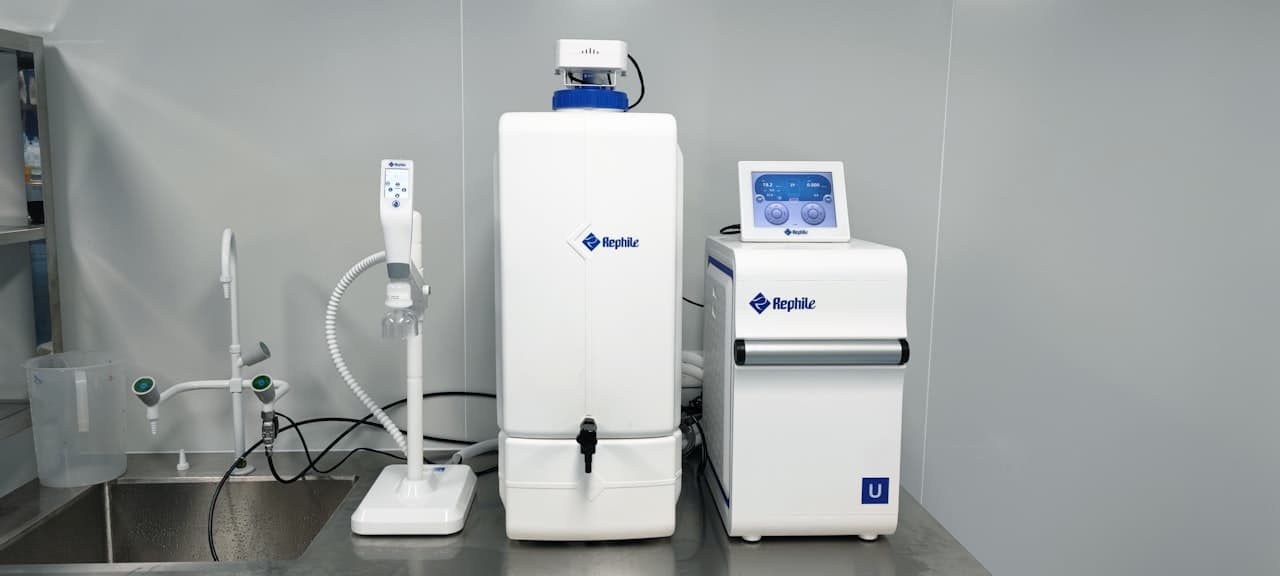
Tankless water heater cost in Vancouver, WA runs $2,800–$7,200 installed in 2026 for a condensing gas unit and $1,900–$4,800 for an electric whole-house unit. A direct gas tank-to-tankless conversion on an existing 3/4-inch gas line and standard venting in a Clark County home typically lands at $4,200–$5,800 all-in, including the unit, labor, venting, permit, and final inspection.
Why this matters in the Pacific Northwest: Vancouver sits in Climate Zone 4C with 38–42°F groundwater for five months of the year, which forces a bigger temperature-rise calculation than almost anywhere else in the country. A unit that delivers 9.8 GPM in a Florida brochure drops to 5.5 GPM at the 70°F rise we actually see in a Vancouver winter. This guide breaks down 2026 installed cost by scope, gas vs electric vs heat pump tradeoffs for PNW homes, the Clark PUD heat pump water heater rebate stack, whole-house sizing math, brand comparison (Rinnai vs Navien vs Rheem), and the Vancouver-specific permit and inspection path. If you're mid- bathroom remodel or planning a basement finish, swapping in tankless during the rough-in saves $800–$1,500 in labor versus a standalone replacement later.
Planning a tankless water heater install in Vancouver, WA? Get a line-item estimate (unit + gas line + venting + permit) from GVX Remodeling.
Request a Free EstimateKey Takeaways
- Installed cost (2026): $2,800–$7,200 gas, $1,900–$4,800 electric whole-house in Vancouver, WA. Most Clark County gas conversions land at $4,200–$5,800.
- PNW sizing: Use a 70°F temperature rise — Vancouver groundwater hits 38–42°F December–April. A 3-bath home needs 9–11 GPM gas tankless.
- Rebate stack: Clark PUD $500 (heat pump only), NW Natural up to $500 (condensing gas tankless), federal 25C credit 30% up to $600 (tankless) or $2,000 (heat pump).
- Top tradeoff: Condensing gas tankless = unlimited hot water + small footprint. Heat pump water heater = lowest lifetime cost with rebates. Electric tankless = only good for point-of-use in PNW.
- Permits: Plumbing + mechanical permit required, $120–$320. Gas line upsizing to 3/4-inch is required on most Vancouver homes built before 2010.
How much does a tankless water heater cost in Vancouver, WA?
Cost depends on five variables: fuel type (gas, electric, or heat pump), whether you're swapping like-for-like or converting from a tank, gas line size, venting path, and recirculation. A clean gas-to-gas tankless swap in a utility room with an existing 3/4-inch gas line is the cheapest path. Converting a 50-gallon electric tank to a whole-house electric tankless is the most expensive, because it almost always triggers a panel upgrade.
| Scope | Installed cost (Vancouver, WA 2026) |
|---|---|
| Gas tankless — like-for-like swap | $2,800–$4,200 |
| Gas tank-to-tankless conversion (typical Clark County) | $4,200–$5,800 |
| Gas tankless with recirculation pump | $4,800–$7,200 |
| Electric point-of-use (single bath/ADU) | $1,200–$2,400 |
| Electric whole-house tankless (needs panel work) | $3,200–$4,800 |
| Heat pump water heater (50–80 gal HPWH) | $3,800–$6,400 (pre-rebate) |
Tankless Water Heater Installed Cost by Type — Vancouver, WA (2026)
What's included in a typical Vancouver, WA quote
- Removal and haul-off of the existing 40–75 gallon tank water heater
- The tankless unit itself (Rinnai, Navien, Rheem, or Noritz — condensing for indoor installs in PNW climate)
- Stainless-steel concentric venting (intake + exhaust) through an exterior wall or up the chimney chase
- Isolation/service valves on hot and cold (required by Washington plumbing code for warranty service)
- Pressure-relief valve, expansion tank where the municipal supply is on a check valve (most City of Vancouver service)
- Condensate drain line and neutralizer kit on condensing units (required to protect cast-iron waste lines in older Clark County homes)
- Clark County or City of Vancouver plumbing permit, mechanical permit if new venting is added
- First-year maintenance flush (anti-scale, especially for east Clark County wells)
What raises a Vancouver tankless quote
- Gas line upsizing — very common on Vancouver homes built before 2010. The original 1/2-inch line that fed a 40,000-BTU tank can't feed a 199,000-BTU tankless. Upsizing the run from the meter to 3/4-inch typically adds $600–$1,800 depending on length and crawl space access.
- New venting path — older homes with B-vent shared between water heater and furnace need a dedicated concentric vent. Vent runs through finished walls or attic spaces add $400–$1,200.
- Recirculation system — smart pumps and dedicated return lines add $500–$2,400 but slash hot-water wait times in long-run Vancouver ranches and 2-story Cascade Park colonials.
- Hard water pre-treatment — east Clark County and the Battle Ground well-water belt often see 8–15 grains per gallon hardness. A cartridge softener or whole-house softener ($300–$2,800) protects the heat exchanger and keeps the manufacturer warranty intact.
- Electrical panel work — required on most whole-house electric tankless installs. See our electrical panel upgrade cost guide for the Clark PUD service coordination process.
Gas vs electric tankless water heater in the PNW
This is the single most-asked question we get on Clark County tankless jobs, and the answer in the Pacific Northwest is different than it is anywhere east of the Cascades. Three things drive the decision here: groundwater temperature (38–42°F in winter), electric rate structure (Clark PUD averaged 9.8¢/kWh in 2025 per utility data, the cheapest in the contiguous US), and natural gas availability (only about 53% of Clark County single-family homes are on NW Natural service per 2024 EIA Form 861 residential count).
Why electric whole-house tankless underperforms in Vancouver
An electric whole-house tankless rated for 27 kW draws about 113 amps at 240V. That's essentially a dedicated 125-amp circuit — more than half of a typical 200-amp Vancouver service panel. At 38°F inlet groundwater (the December average for City of Vancouver water service), even the largest residential unit on the market delivers only about 4.6 GPM at 110°F output. That's enough for one shower + one sink at the same time, not a 3-bathroom Vancouver home.
Where gas tankless wins in Clark County
A 199,000-BTU condensing gas tankless (Rinnai RSC199iN, Navien NPE-240A2, Rheem RTGH-95DVLN class) delivers 9–11 GPM at the 70°F rise we actually need in PNW winter. That covers two showers + a dishwasher simultaneously in a typical Cascade Park, Salmon Creek, or Felida home. Operating cost on NW Natural service in 2026 averages $22–$34/month for a family of four, versus $42–$58 on the same household with a 50-gallon electric tank.
The dark-horse winner: heat pump water heater
For Vancouver homes on Clark PUD electric service with no existing natural gas line, a heat pump water heater (HPWH) almost always wins the 10-year cost analysis in 2026. The Rheem ProTerra Plug-In, AO Smith Voltex, and GE GeoSpring class units pull 1.0–1.5 kW of electricity to deliver 4.0+ kW of heat by extracting it from ambient air. At 9.8¢/kWh, that's $11–$17/month for the same family of four. The Clark PUD $500 rebate plus the federal 25C credit ($2,000 max) brings the net installed cost to $1,300–$3,900.
Tankless Output (GPM) vs Temperature Rise — Vancouver, WA Winter (70°F rise needed)
Note how the gas units stay above the 6 GPM two-shower line at the 70°F rise that defines Vancouver winter performance, while the electric whole-house unit drops to about 3.2 GPM — not enough for two simultaneous showers. That single chart is the entire argument for why electric whole-house tankless is rare in Clark County. The exception is point-of-use applications: ADU bathrooms, mother-in-law suites over a garage, detached shop sinks, or a single far-flung bathroom in a sprawling ranch.
Mini-case: a Felida 4-bath conversion
A 2008 Felida home we converted in spring 2026 had a failing 75-gallon gas tank in the garage. The original install ran a 1/2-inch gas line from the meter to the tank. We upsized to 3/4-inch over the 28-foot run, installed a Navien NPE-240A2 with built-in recirculation tied into a dedicated 1/2-inch return line, vented concentric through the garage wall, and added a 5-micron sediment filter. Total cost: $6,940 before NW Natural rebate ($500) and federal 25C credit ($600). Net cost: $5,840. The homeowner reported 12-second wait time at the master shower (down from 65 seconds on the tank) and a $26 monthly gas savings versus the old tank.
Whole-house tankless water heater sizing for Vancouver, WA
Tankless sizing in the Pacific Northwest is the part homeowners get wrong most often, because manufacturer brochures publish peak GPM at a 35°F or 45°F rise — numbers that don't apply here for five months out of the year. Vancouver groundwater drops to 38–42°F from December through April according to USGS Clark County monitoring stations, rising to roughly 58–62°F in late summer.
The temperature-rise math
Required output: 110°F at the showerhead, 120°F at the kitchen sink (per Washington plumbing code WAC 51-56). Inlet temperature in a Vancouver winter: 40°F. Required temperature rise: 70°F at the unit (a few degrees of pipe loss is built into that). Multiply your simultaneous-fixture GPM demand by 1.0 and look up the tankless rating at that rise, not at the brochure default.
Simultaneous-demand worksheet
Add up the fixtures you might use at the same time on a busy morning. The standards we use on Vancouver tankless spec sheets:
- Shower (WaterSense low-flow): 1.8 GPM
- Shower (standard pre-2010): 2.5 GPM
- Kitchen sink: 1.5 GPM
- Bathroom sink: 1.0 GPM
- Dishwasher (cold-fill, modern): 1.0–1.5 GPM
- Clothes washer (cold-fill, modern): 1.5 GPM
- Tub fill (standard): 4.0 GPM
- Soaking/freestanding tub: 6.0 GPM
A typical 3-bath Vancouver morning: two showers (3.6 GPM) + kitchen sink (1.5 GPM) + bath sink (1.0 GPM) = 6.1 GPM at the 70°F rise. That sizes you to a Rinnai RSC199iN (5.8 GPM at 70°F rise — just short, fine for staggered use) or a Navien NPE-240A2 (6.2 GPM at 70°F rise — exact match). For a 4–5 bath home or a freestanding tub, step up to the Rinnai REP199iN or Navien NPE-A3 series.
The Pro Tip Clark County plumbers actually use
Pro Tip: Size for January, not July
The number one tankless complaint in Clark County is “works fine in summer, can't fill the tub in winter.” That's a brochure-spec sizing error. Always size on the manufacturer's 70°F rise column — not the 45°F or 35°F columns — and add 1 GPM of headroom for fixture-flow variability. The cost difference between a 9 GPM and 11 GPM Rinnai or Navien is about $400 at install; the cost of an undersized unit is $5,000 to replace it.
Clark PUD, NW Natural & federal rebates for tankless
The 2026 rebate stack for water heating in Vancouver, WA is the strongest it's been in a decade, but only a fraction of Clark County homeowners actually claim everything they qualify for. Three layers stack on a single install.
| Program | Eligible equipment | Rebate (2026) |
|---|---|---|
| Clark PUD — Heat Pump Water Heater | ENERGY STAR HPWH on Clark PUD electric service | $500 instant or mail-in |
| NW Natural — Smart Energy / Energy Trust | Condensing gas tankless (UEF ≥ 0.90) | $250–$500 instant |
| Federal 25C — Energy Efficient Home Improvement Credit | Gas tankless ENERGY STAR (any state) | 30% of cost up to $600 |
| Federal 25C — Heat Pump Category | HPWH ENERGY STAR Most Efficient | 30% of cost up to $2,000 |
| Washington state HEEHRA / IRA HOMES (income-qualified) | HPWH for ≤150% area median income households | Up to $1,750 additional |
Net Cost After 2026 Rebate Stack — Vancouver, WA Whole-House Options
How to actually claim the rebates
- Confirm your contractor is on the program-trade-ally list. NW Natural and Clark PUD both require contractor enrollment for instant rebates. GVX Remodeling is registered on both programs for Clark County jobs.
- Save the AHRI certificate and invoice.The federal 25C credit requires the AHRI Certified Reference Number and a paid invoice with model number, install date, and your name.
- File 25C with your federal tax return.Use IRS Form 5695 in the year you placed the unit in service. The credit is non-refundable but can carry forward.
- Don't miss income-qualified state rebates. The Washington HEEHRA HOMES Rebate program adds up to $1,750 for HPWH installs in households at or below 150% of area median income (about $130K for a family of four in Clark County per 2025 HUD data).
For a deeper look at how these rebates work alongside other PNW efficiency incentives, see our 2026 Vancouver, WA energy efficiency upgrades and rebates guide.
Rinnai vs Navien vs Rheem tankless: 2026 brand comparison
All three brands ship reliable, code-compliant tankless units to Vancouver, WA in 2026. The differences show up in installer network depth, recirculation features, warranty handling, and price.
| Brand & model | GPM at 70°F rise | UEF | Built-in recirc | Warranty (parts/labor) | Installed cost (Vancouver, WA 2026) |
|---|---|---|---|---|---|
| Rinnai RSC199iN (condensing) | 5.8 GPM | 0.93 | No (external pump kit) | 15 / 5 yrs | $4,200–$5,400 |
| Rinnai REP199iN (condensing + recirc) | 6.5 GPM | 0.92 | Yes | 15 / 5 yrs | $4,800–$6,400 |
| Navien NPE-240A2 (condensing) | 6.2 GPM | 0.96 | Yes (factory) | 15 / 5 yrs | $4,400–$5,800 |
| Navien NPE-A3 (next-gen, condensing) | 7.4 GPM | 0.97 | Yes (factory) | 15 / 5 yrs | $5,400–$7,200 |
| Rheem RTGH-95DVLN (condensing) | 5.6 GPM | 0.93 | No (external) | 12 / 1 yr | $3,800–$5,000 |
| Noritz NRC1111-DV (condensing) | 6.0 GPM | 0.93 | No | 12 / 5 yrs | $3,900–$5,100 |
Field-tested takeaways from Clark County installs
- Rinnai for simple gas-to-gas swaps.Largest installer network in the Vancouver-Portland metro, parts on the shelf at Ferguson and PlumbMaster, rock-solid reliability. Default choice for 50–60% of our tankless jobs.
- Navien when the homeowner wants fast hot water. The factory-built recirc pump and HotButton ASE (Adaptive Save Energy) algorithm cut wait times to 6–12 seconds in a long-run 2,800+ sq ft Vancouver ranch. Best UEF in the lineup.
- Rheem when budget is the priority.$300–$600 cheaper installed and ENERGY STAR certified. Shorter warranty matters less when the install is done correctly.
- Avoid non-condensing tankless on Vancouver indoor installs. The 3-inch B-vent path that's legal in drier climates becomes a condensation magnet in our humid winters. Always spec a condensing unit with stainless concentric venting for PNW.
Tank-to-tankless conversion cost line items in Vancouver
Conversion projects look different than like-for-like swaps. Here's the line-item breakdown for a typical 2008-era Cascade Park or Salmon Creek home converting from a 50-gallon gas tank in the garage to a Navien NPE-240A2 with built-in recirculation:
| Line item | Cost (Vancouver, WA 2026) |
|---|---|
| Tankless unit (Navien NPE-240A2) | $1,850–$2,250 |
| Removal & disposal of old tank | $180–$320 |
| Gas line upsize 1/2″ to 3/4″ (28 ft) | $680–$1,400 |
| Stainless concentric venting (through wall) | $420–$780 |
| Isolation valve kit + condensate neutralizer | $140–$240 |
| Dedicated recirculation return line (40 ft) | $420–$680 |
| Labor (2 plumbers, 12–16 hours) | $1,200–$1,800 |
| City of Vancouver plumbing + mechanical permit | $160–$260 |
| Typical total before rebates | $5,050–$7,730 |
Strip the recirc return line and dedicated return-side plumbing if the bathroom is within 30 feet of the unit — that drops the total $400–$700. Conversely, add $400–$1,200 if the venting path has to be routed through a finished interior wall or up a chimney chase instead of out an exterior garage wall.
Permits, gas line & venting requirements in Vancouver, WA
The City of Vancouver and Clark County both pull water heater work under WAC 51-56 (Washington Uniform Plumbing Code) and WAC 51-52 (mechanical code). Three permits may apply, depending on scope:
- Plumbing permit — required for every water heater install or replacement. Filed electronically through the City of Vancouver ePlans portal or Clark County's Community Development permit system. Fee typically $90–$180.
- Mechanical permit — required when new venting is installed (almost always on tank-to-tankless conversions) or when a gas line is altered. Fee $60–$140.
- Electrical permit — required when a new 240V circuit is added (electric tankless) or when a heat pump water heater needs a dedicated 20A or 30A circuit. Pulled through L&I or City of Vancouver electrical inspection. Fee $90–$160.
Plan review is typically same-day for residential water heater swaps and 3–5 business days for full conversions with gas piping changes. Inspection is usually 2–5 business days after passing rough-in. For more on the Vancouver permit process generally, see our Vancouver, WA remodeling permits and inspections homeowner guide.
Gas line sizing rules of thumb
Washington follows the IFGC tables. The short version most Vancouver homeowners need to know: a single 199,000-BTU tankless requires 3/4-inch black iron or CSST gas line for runs up to about 60 feet, then steps up to 1-inch beyond that. A 1/2-inch line that fed an old 40,000-BTU tank cannot feed a tankless — full stop. Skipping this step is the most common reason DIY tankless installs fail their Clark County inspection.
Venting requirements unique to the PNW
- Condensing units only for indoor installs (B-vent non-condensing is allowed but a bad idea in our humid winters)
- Stainless concentric vent (intake + exhaust in one pipe) for through-wall terminations
- Minimum 12 inches from any operable window, 36 inches from a forced-air intake
- Condensate drain piped to an indirect waste with an inline neutralizer (mandatory in Vancouver to protect cast-iron drain stacks in pre-1985 homes)
- Termination at least 12 inches above the average snow line — in west Clark County that's largely a formality, but it matters in Ridgefield, Battle Ground, and the Yacolt corridor
Operating cost & 10-year total cost of ownership
Operating cost is where the Vancouver, WA decision often flips against gas tankless and toward heat pump. Three numbers drive the math:
- NW Natural average residential rate, Q1 2026: $1.42/therm (per Oregon Public Utility Commission cross-border filings, Vancouver service)
- Clark PUD residential rate, 2026: $0.0986/kWh average all-in
- Typical Vancouver family-of-4 hot water energy use: 16–19 MMBTU/year (per EIA RECS 2020 Climate Zone 4 Marine data)
| System | Annual energy cost | 10-year energy cost | Installed cost (net of rebates) | 10-year total |
|---|---|---|---|---|
| Gas tankless (Navien NPE-240A2, UEF 0.96) | $240–$310 | $2,400–$3,100 | $4,400 | $6,800–$7,500 |
| Gas tank (50 gal standard, EF 0.62) | $370–$480 | $3,700–$4,800 | $2,400 | $6,100–$7,200 |
| Heat pump water heater (Rheem ProTerra 65, UEF 3.7) | $140–$210 | $1,400–$2,100 | $2,700 | $4,100–$4,800 |
| Electric tank (50 gal, EF 0.93) | $520–$680 | $5,200–$6,800 | $1,800 | $7,000–$8,600 |
| Electric whole-house tankless (27 kW) | $510–$660 | $5,100–$6,600 | $4,000 | $9,100–$10,600 |
The heat pump water heater wins the 10-year math on Clark PUD service by a wide margin in 2026 — a reversal from 10 years ago, when gas was clearly cheaper. Two things changed: HPWH unit prices dropped about 30%, and the federal 25C credit got a major upgrade in 2023 that's still in force through 2032. For homes already on NW Natural service with a recently replaced gas line, condensing gas tankless remains a strong second.
Not sure which path fits your Vancouver home?
We'll do a free on-site assessment of your gas line, panel capacity, and venting path, then quote both gas tankless and heat pump options side-by-side with current Clark PUD and NW Natural rebate eligibility.
Get a Side-by-Side QuoteCommon mistakes Clark County homeowners make
- Buying the unit themselves. Most manufacturer warranties (Rinnai, Navien, Rheem) are void on owner-supplied units. Buy through a program-trade-ally contractor for full 12–15 year warranty coverage.
- Skipping the gas line check. The most common Clark County inspection failure on tankless conversions is undersized gas line. Always pull a manometer test before the contract is signed.
- Sizing on the brochure GPM. The brochure GPM is at a 35°F rise — about half the rise we need in Vancouver winter. Use the 70°F column or the calculation worksheet above.
- Missing the recirculation question.If the master bath is more than 35 feet of pipe from the heater, plan for recirculation up front. Retrofitting is 3x more expensive than building it in.
- Ignoring water hardness. East Clark County wells frequently exceed 10 grains per gallon. Without a pre-filter or softener, scale builds up on the heat exchanger and voids the warranty. A $300 cartridge softener is cheap insurance.
- Treating it as a one-day DIY. The plumbing + mechanical + electrical permit chain in Clark County requires a licensed contractor's pressure test report for any gas work. Owner-builder permits are technically available but rarely worth the risk on gas-fired appliances. See our guide on verifying a Washington contractor license before you sign anything.
Adding a tankless system mid-remodel?
GVX Remodeling bundles tankless water heater work into kitchen, bathroom, and aging-in-place remodels across Clark County. Permits, gas line, venting, and final inspection coordinated as one project — not three separate trades.
Talk to a Project ManagerFrequently asked questions
How much does a tankless water heater cost in Vancouver, WA?
Tankless water heater installation in Vancouver, WA costs $2,800 to $7,200 installed in 2026 for a gas unit and $1,900 to $4,800 for an electric whole-house unit. A direct gas tank-to-tankless conversion on an existing 3/4-inch gas line and standard venting typically lands at $4,200–$5,800 in Clark County. The most common cost drivers in Vancouver are gas line upsizing (often required because most pre-2010 homes have 1/2-inch line to the water heater), stainless concentric venting through exterior walls, and the City of Vancouver or Clark County plumbing and mechanical permits.
Is gas or electric tankless better in the PNW?
For a Vancouver, WA whole-house application, condensing natural gas tankless almost always wins on operating cost and recovery rate, but a heat pump tank-style water heater (HPWH) frequently beats both on lifetime cost when you factor in the 2026 Clark PUD and Energy Trust of Oregon rebates plus the federal 25C tax credit. Pure electric whole-house tankless is the worst of the three options in the PNW because of 38–42°F inlet groundwater temperatures — they require 120+ amps at 240V and still struggle to drive two showers at once. The realistic ranking for most Clark County homes in 2026 is: (1) heat pump water heater for highest rebates and lowest operating cost, (2) condensing gas tankless for unlimited hot water and small footprint, (3) electric tankless only for point-of-use add-ons like an ADU bathroom or a detached shop.
Does Clark PUD offer tankless rebates?
Clark Public Utilities does not currently offer a rebate for electric or gas tankless water heaters in 2026, but it does offer a $500 rebate for ENERGY STAR-certified heat pump water heaters (HPWHs) and qualifies eligible customers for additional federal incentives. NW Natural offers a $250–$500 instant rebate on qualifying condensing tankless gas water heaters for Clark County customers, and the federal 25C Energy Efficient Home Improvement Credit covers 30% of cost (up to $600 for gas tankless and $2,000 for heat pump water heaters) through 2032. We almost always recommend Vancouver homeowners stack the local utility rebate with the federal 25C credit on the same install — the combined incentive often covers $750–$2,500 of the project.
What size tankless water heater do I need?
Whole-house sizing in Vancouver, WA needs to account for two PNW realities: cold inlet groundwater (38–42°F in winter from Clark Regional Wastewater District service area) and the temperature rise needed to deliver 120°F at the fixture. A 3-bathroom Vancouver home typically needs a gas tankless rated for 9–11 gallons per minute (GPM) at a 70°F rise — that's a Rinnai RSC199iN, Navien NPE-240A2, or Rheem RTGH-95DVLN class unit. A 4–5 bathroom home needs 11–13 GPM (Rinnai REP199iN with recirculation, Navien NPE-A3 series). Smaller 1–2 bath homes can size down to 7–8 GPM. Always size on temperature rise, not just GPM — the same unit that delivers 9.8 GPM at a 35°F rise (a Florida spec) drops to 5.5 GPM at the 70°F rise we need in PNW winter.
Do I need a permit for a tankless water heater in Vancouver, WA?
Yes. Both the City of Vancouver and Clark County require a plumbing permit for water heater replacement and a mechanical permit when new gas venting is added. Permit fees typically run $120–$320 combined. If the conversion requires upsizing the gas line from 1/2-inch to 3/4-inch (very common in Vancouver homes built before 2010), the gas piping work also needs to be permitted and pressure-tested. Electrical permits are required for any electric tankless install that needs new 240V circuits or panel work — see our electrical panel upgrade guide for what 200-amp Clark County service looks like.
Rinnai vs Navien vs Rheem tankless — which brand is best in Vancouver, WA?
All three are widely serviced in Clark County, but the field differences matter. Rinnai (RSC199iN, RX series) has the longest installer network in the Vancouver-Portland metro and the strongest parts availability at local plumbing suppliers; reliability is excellent. Navien (NPE-A2, NPE-A3) leads on built-in recirculation pumps — a strong fit for long-run Vancouver ranches with the master bath far from the heater — and has the highest UEF efficiency ratings in the 0.96+ range. Rheem (RTGH series) is typically $300–$600 cheaper installed, with solid reliability but slightly fewer condensing-stainless heat exchanger options. For most Vancouver, WA whole-house jobs, our default specs are Rinnai for simple gas-to-gas swaps and Navien when the homeowner wants quick hot water at distant fixtures.
How long does a tankless water heater installation take in Clark County?
A straight gas-to-gas tankless replacement in a Vancouver utility room takes one full day (8–10 hours) with two plumbers. A tank-to-tankless conversion that involves gas line upsizing, new concentric venting, and a Clark County mechanical inspection typically spans 1.5–2 days plus permit and inspection scheduling — total project timeline 7–14 calendar days from contract to final inspection. Electric whole-house tankless that needs a panel upgrade can stretch to 3–4 weeks because of Clark PUD service coordination. If you're financing the install alongside other plumbing or remodel work, see our Vancouver, WA remodel financing guide for current 2026 rate ranges.
Sources & references
- Clark Public Utilities — Residential Energy Rebates & Incentives
- NW Natural — Residential Savings & Rebates (Washington)
- ENERGY STAR — Federal Tax Credits for Water Heaters (25C)
- City of Vancouver, WA — Residential Building Permits
- Clark County Community Development — Building Permits
- Washington State Building Code Council — WAC Chapter 51-56 (Uniform Plumbing Code)
- US Energy Information Administration — 2020 Residential Energy Consumption Survey (RECS)
- Washington State Department of Commerce — HEEHRA HOMES Rebate Program
Written by
GVX Remodeling Team
Vancouver, WA general contractor with 25+ years of residential remodeling experience across Clark County. Licensed, bonded, and insured in Washington state. We design and build kitchen, bath, and whole-home remodels — and quarterback the plumbing, gas, mechanical, and electrical permits that come with tankless water heater conversions across the Pacific Northwest.