How Much Does Siding Replacement Cost in Vancouver, WA? (2026 Guide)
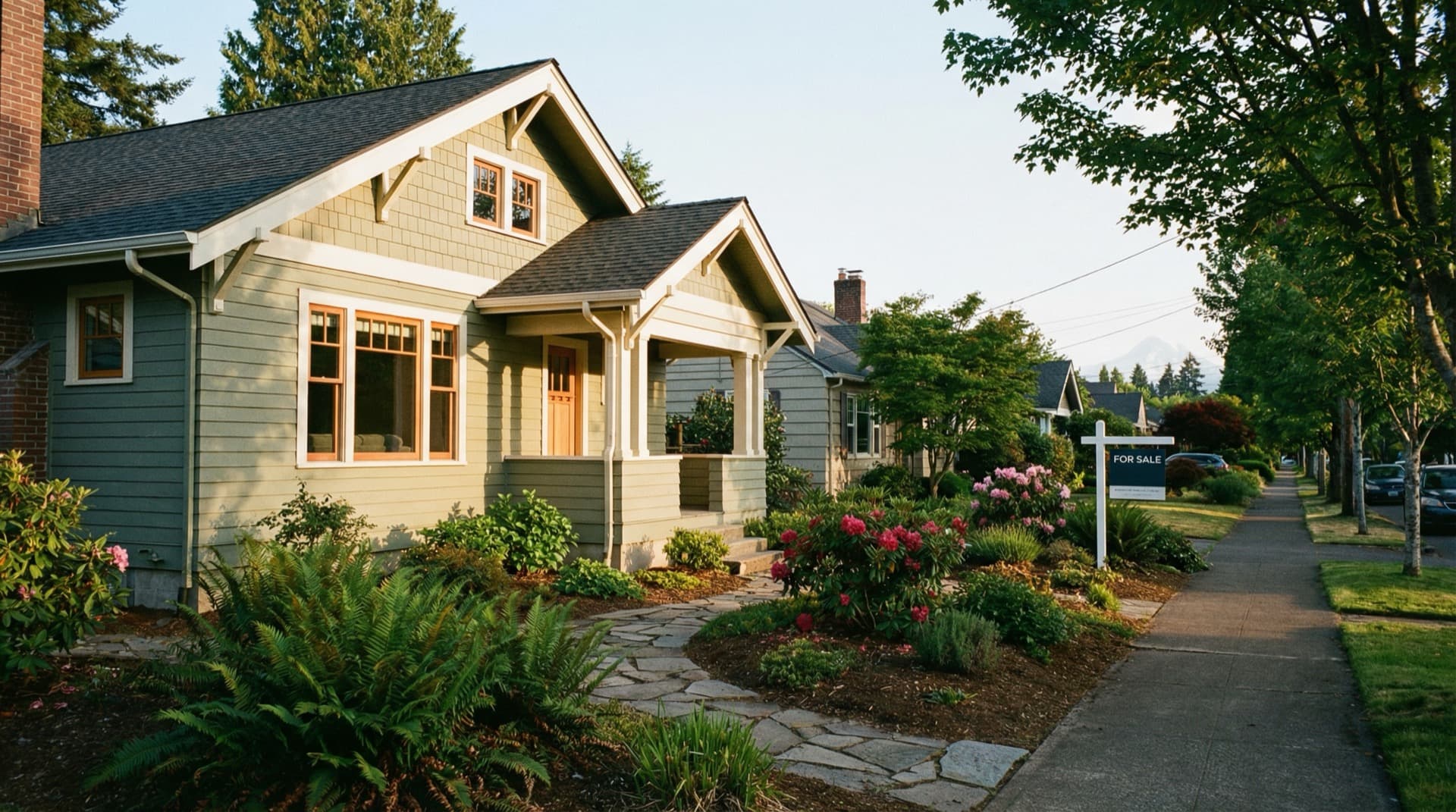
Siding replacement is one of the highest-ROI exterior projects Vancouver homeowners can invest in. Most online estimates use national averages that miss Pacific Northwest labor rates and the climate-driven material requirements of Clark County homes. This guide gives you 2026 Vancouver-area costs broken down by material, explains what actually drives the price, and helps you choose the right siding for your home and budget.
Get a Siding Estimate
Not sure which material fits your budget? Our team provides free, no-pressure estimates for siding replacement across Clark County.
Request a Free Estimate2026 siding replacement cost by material
Siding costs in Clark County vary significantly based on the material you choose. The table below reflects installed prices — including labor, materials, and basic trim work — that Vancouver-area homeowners are paying in 2026. A typical single-family home in the area requires approximately 1,500 to 2,500 square feet of siding.
| Material | Cost per sq ft (installed) | Total for 2,000 sq ft home | Lifespan |
|---|---|---|---|
| Vinyl | $3 – $8 | $6,000 – $16,000 | 20 – 40 years |
| Fiber Cement (James Hardie) | $8 – $14 | $16,000 – $28,000 | 40 – 50 years |
| Engineered Wood (LP SmartSide) | $7 – $13 | $14,000 – $26,000 | 30 – 50 years |
| Wood (Cedar) | $8 – $16 | $16,000 – $32,000 | 20 – 40 years (with maintenance) |
| Metal / Aluminum | $5 – $12 | $10,000 – $24,000 | 40 – 60 years |
These are fully installed costs including labor, materials, and standard waste factor. Your actual total depends on the number of stories, window and door cutouts, trim complexity, and whether old siding needs to be removed first. Request a site-specific estimate to narrow these ranges for your home.
What drives siding cost in Clark County
Several factors push siding replacement costs up or down beyond the base material price. Understanding these variables helps you budget more accurately and make informed trade-offs.
- Home size and number of stories: More square footage means more material, and multi-story homes require scaffolding and additional labor time.
- Material choice: The gap between vinyl and fiber cement can double or triple the total project cost for the same home.
- Trim, soffit, and fascia work: Replacing trim boards, soffit panels, and fascia alongside the siding adds 15–30% to the total cost but creates a cleaner, longer-lasting result.
- Old siding removal: Tear-off and disposal of existing siding adds $1,000–$3,000 depending on material type and volume. Some products can be installed over existing siding, but this is not always recommended.
- Structural repairs underneath: Rot, water damage, or insect damage in the sheathing or framing must be repaired before new siding goes on. Costs vary widely based on the extent of damage.
- Insulation wrap and upgrades: Adding or replacing housewrap and rigid foam insulation improves energy efficiency but adds $1–$3 per square foot.
- Permits: Required when structural sheathing is replaced or the building envelope is modified. Permit fees in Clark County typically run $200–$800 for siding projects.
- Seasonal timing: Scheduling installation during the peak season (May–October) may mean longer wait times, while off-season work can face weather delays. Plan accordingly.
Siding materials compared for Pacific Northwest homes
Choosing the right siding material for a Vancouver, WA home means accounting for 42 inches of annual rainfall, temperature swings between seasons, and the persistent moisture that defines the Pacific Northwest climate. Here is how each major material performs in these conditions.
Vinyl siding
Vinyl is the most affordable siding option and the most commonly installed material nationwide. It does not rot, does not require painting, and comes in a wide range of colors and profiles.
- Pros for PNW: Low cost, no painting or staining required, resists moisture on the surface, widely available with fast installation.
- Cons for PNW: Can crack in extreme cold, fades over time in UV exposure, does not add structural rigidity, lower perceived quality than fiber cement or wood. Moisture can still get trapped behind vinyl if housewrap and drainage are not properly installed.
Fiber cement (James Hardie)
Fiber cement is the dominant siding choice in the Pacific Northwest for good reason. James Hardie, the leading manufacturer, specifically engineers its HZ10 product line for high-moisture climates like ours.
- Pros for PNW: Exceptional moisture resistance, non-combustible (Class A fire rating), does not rot or attract insects, holds paint for 15+ years, adds structural rigidity, and carries a 30-year non-prorated warranty.
- Cons for PNW: Higher upfront cost, heavier material requiring experienced installers, and must be painted or factory-primed (ColorPlus finish recommended for PNW). See our James Hardie siding services for more detail.
Engineered wood (LP SmartSide)
LP SmartSide uses treated wood strands bonded with resin and wax to create a siding product that looks like real wood but resists moisture and decay far better than natural wood.
- Pros for PNW: Natural wood appearance, lighter than fiber cement (easier to install), treated with SmartGuard process for rot, fungal decay, and termite resistance, and backed by a 5/50 warranty.
- Cons for PNW: Requires painting every 7–10 years, not as fire-resistant as fiber cement, and long-term moisture performance depends heavily on proper installation and caulking maintenance.
Cedar siding
Cedar has been used on Pacific Northwest homes for generations. It offers a warm, natural aesthetic that many homeowners love — but it demands significantly more maintenance than modern engineered alternatives.
- Pros for PNW: Beautiful natural grain and color, naturally resistant to insects, excellent insulating properties, and can be refinished to look new.
- Cons for PNW: Requires staining or painting every 3–5 years in the wet PNW climate, prone to splitting and cupping without regular maintenance, most expensive option when lifetime costs are factored in.
Explore all of our siding replacement services to compare options and see project photos from Clark County homes.
ROI and resale value
Siding replacement consistently ranks as one of the top exterior projects for return on investment. According to Remodeling Magazine's Cost vs. Value Report, fiber cement siding replacement recoups approximately 80–88% of its cost in added home value. Vinyl siding replacement returns roughly 68–80%.
Siding is a top-5 exterior ROI project year after year because it is one of the first things buyers notice. Damaged, faded, or outdated siding signals deferred maintenance and drives down perceived value — even if the rest of the home is in excellent condition.
If you are replacing siding with resale in mind, fiber cement offers the strongest combination of curb appeal, durability, and buyer confidence. For a broader look at which projects deliver the best returns, read our guide to the best home remodeling ROI in Vancouver, WA.
Timeline for siding replacement in Vancouver
A siding replacement project involves more lead time than most homeowners expect. Here is a realistic timeline for a full re-side in Vancouver, WA.
| Phase | Duration |
|---|---|
| Design consultation and material selection | 1 – 2 weeks |
| Material ordering and lead time | 1 – 4 weeks |
| Old siding removal | 2 – 5 days |
| Installation | 1 – 3 weeks (depending on material) |
| Inspection and trim work | 2 – 3 days |
Total elapsed time: typically 4–8 weeks from signed contract to final walkthrough. The best weather window for exterior work in the Pacific Northwest is May through October. Scheduling your project during these months minimizes weather delays and allows paint and caulk to cure properly. If you need to start during the wet season, your contractor should have a plan for protecting exposed sheathing between work days.
Permits and regulations
Clark County permit requirements for siding replacement depend on the scope of work. Here is the general rule:
- No permit typically required: Re-siding with the same material type on existing sheathing, where no structural changes are made to the wall assembly.
- Permit required: Replacing structural sheathing, modifying the building envelope, adding or changing insulation that affects the wall assembly, or making changes that affect fire separation requirements.
Permit fees for siding projects in Clark County typically range from $200 to $800 depending on the scope and valuation. GVX handles the permitting process for all projects that require one.
For a comprehensive overview of permitting in the area, see our Vancouver, WA remodeling permits and inspections guide.
Signs your siding needs replacement
Not all siding damage is obvious from the street. Watch for these warning signs that indicate your siding has reached the end of its useful life:
- Warping or buckling: Boards that are no longer flat against the wall indicate moisture infiltration or substrate failure.
- Cracks and gaps: Cracked panels or widening gaps between boards allow water behind the siding, leading to rot and mold.
- Fading color or peeling paint: While cosmetic at first, severe fading and paint failure expose the siding material to accelerated weathering.
- Moisture or mold damage: Soft spots, mold growth, or water stains on interior walls near exterior walls suggest siding failure.
- Rising energy bills: Deteriorated siding compromises the building envelope, letting conditioned air escape and increasing heating and cooling costs.
- Visible rot or insect damage: Rot in wood or wood-composite siding spreads quickly in the wet PNW climate and should be addressed before it reaches the framing.
- Boards pulling away from the house: Loose or detached siding boards allow wind-driven rain to enter the wall cavity and can be a sign of failed fasteners or substrate deterioration.
Common mistakes to avoid
Siding replacement is a major investment. These are the most common mistakes Vancouver homeowners make — and how to avoid them.
- Choosing the cheapest material without considering climate. The lowest upfront cost often leads to higher long-term expenses in maintenance, repairs, and premature replacement. Vancouver's 42 inches of annual rainfall demands materials engineered for moisture resistance.
- Skipping housewrap or moisture barrier. Siding is not waterproof on its own. A properly installed weather-resistant barrier behind the siding is critical for preventing moisture damage to the sheathing and framing.
- Not addressing rot before new siding goes on. Installing new siding over damaged sheathing or framing traps moisture and accelerates structural damage. Always repair the substrate first.
- DIY on multi-story homes. Siding installation on two- and three-story homes requires scaffolding, fall protection, and experience with flashing details around windows and transitions. Improper installation voids most manufacturer warranties.
- Ignoring trim, soffit, and fascia. Replacing siding while leaving deteriorated trim in place creates mismatched aesthetics and leaves vulnerable entry points for water. Budget for trim replacement alongside the siding.
- Choosing based on appearance alone. Aesthetics matter, but durability, maintenance requirements, fire rating, and warranty terms should carry equal weight in the decision. A beautiful siding that fails in five years is not a good investment.
Ready to Replace Your Siding?
We will inspect your current siding, walk through material options that fit your budget and climate needs, and give you a clear cost range — no pressure, no obligation.
Schedule a Free ConsultationSiding replacement FAQ
How much does it cost to reside a house in Vancouver, WA?
Most Vancouver-area homeowners pay between $8,000 and $35,000 for a full siding replacement, depending on the material. Vinyl runs $8,000 to $18,000, while fiber cement typically costs $18,000 to $35,000 for a standard-size home. Your actual cost depends on square footage, number of stories, trim work, and whether structural repairs are needed underneath.
What is the best siding for the Pacific Northwest climate?
Fiber cement and engineered wood perform best in the Pacific Northwest because they resist moisture, do not warp in temperature swings, and hold up to 42 inches of annual rainfall in Vancouver, WA. Fiber cement (James Hardie) is the most popular choice among Clark County homeowners for its durability, fire resistance, and long warranty.
Does siding replacement require a permit in Clark County?
Re-siding with the same material on existing sheathing usually does not require a permit. However, if structural sheathing is replaced or the project involves changes to the building envelope, a permit and inspection are required. When in doubt, check with Clark County Community Development or ask your contractor.
How long does siding replacement take?
A full siding replacement on a typical Vancouver home takes 1 to 3 weeks of active installation, depending on the size of the house, material type, and weather conditions. Including design, material ordering, and lead time, the full project timeline is typically 4–8 weeks.
What ROI does siding replacement offer?
Fiber cement siding replacement returns approximately 80–88% of its cost in added home value according to Remodeling Magazine's Cost vs. Value Report. Vinyl siding recoups roughly 68–80%. Siding replacement is consistently one of the top exterior projects for return on investment nationwide.
Sources & references
- Remodeling Magazine — 2025 Cost vs. Value Report (Pacific Northwest region)
- Clark County Community Development — Building Permit Information
- James Hardie — Product Specifications
- LP SmartSide — Product Specifications
Written by
GVX Remodeling Team
Expert siding replacement guidance from the GVX Remodeling team, helping Clark County homeowners protect and upgrade their home exteriors.