
How to Live Through a Home Remodel in Vancouver, WA Without Losing Your Mind
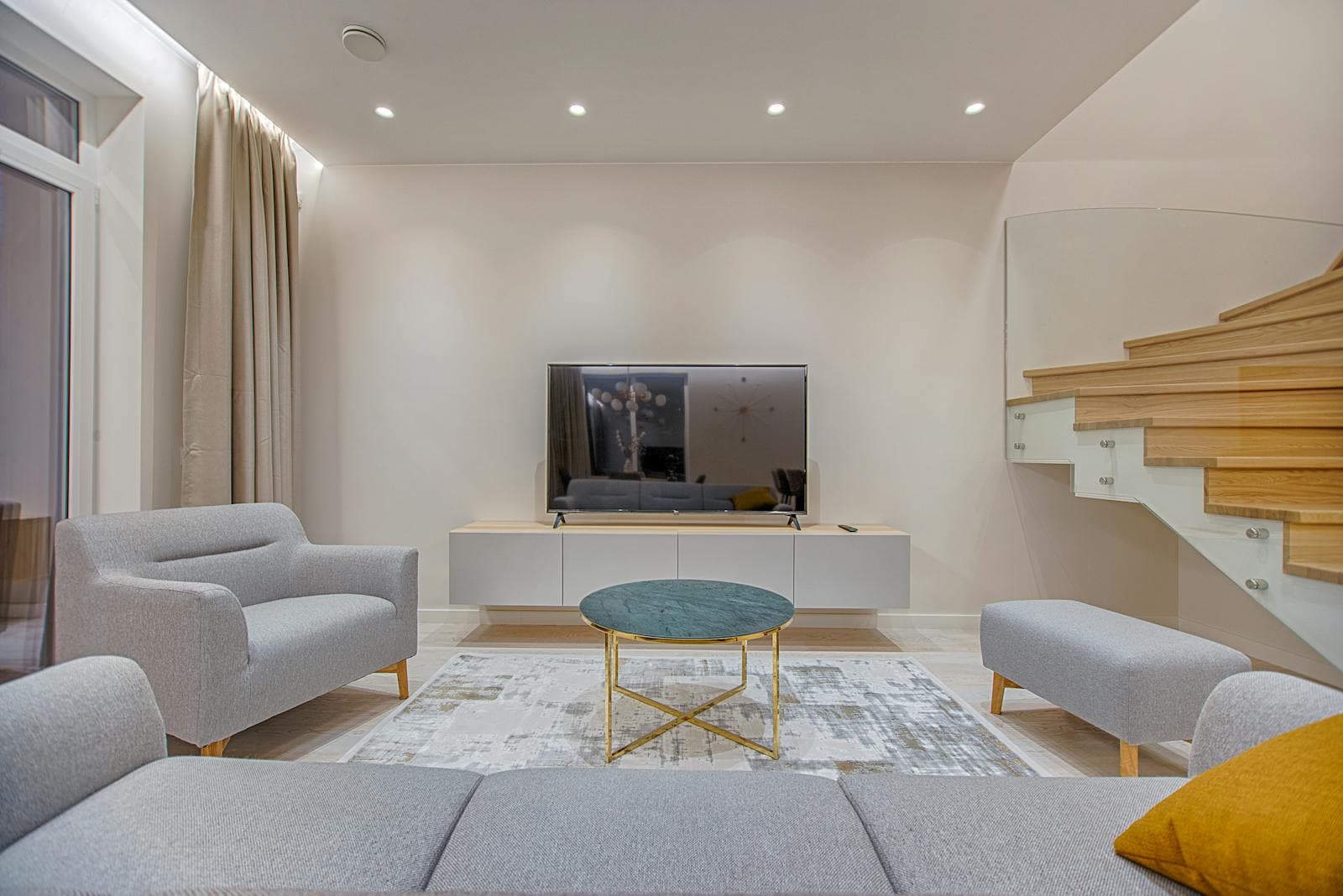
Living through a home remodel in Vancouver, WA is survivable if you plan the project around three things: where you will cook, where you will sleep, and how you will handle the Pacific Northwest weather. Most Clark County homeowners stay in the home for single-room remodels lasting 4 to 8 weeks and only move out for whole-home projects running 3 months or longer. The difference between a bearable remodel and a miserable one comes down to pre-construction setup, phasing, and realistic expectations about dust, noise, and cold-weather work.
This guide is built from projects GVX Remodeling has completed across Vancouver, Camas, Battle Ground, and Ridgefield. It covers how to set up a working temporary kitchen, when to phase work around PNW rain, how to protect pets and home offices, and how to decide whether to stay or rent temporary housing. For budget context, pair this with our whole-home remodel cost and phasing plan.
TL;DR
You can usually stay in your home during a single-room or phased remodel in Vancouver, WA. Set up a temporary kitchen with a microwave, air fryer, and mini-fridge ($150–$400). Run exterior work in summer (June–October) and interior work fall through spring. Seal the work zone with 6-mil plastic and a zipper door, upgrade to a MERV 13 filter, and plan pet and home-office logistics before demo starts. Move out only for whole-home projects, major abatement, or winter HVAC shutoffs.
Plan a Livable Remodel
GVX Remodeling walks Clark County homeowners through phasing, dust containment, and daily logistics before work starts. Get a free consultation and a realistic stay-or-move plan.
Request a Free ConsultationStay or Move Out? The Decision Framework
The first call you have to make when living through a home remodel in Vancouver, WA is whether to stay or leave. Most homeowners try to stay and roughly 80 percent succeed, based on projects we have tracked across Clark County. The ones who struggle almost always share one of three traits: no working kitchen for longer than 4 weeks, a single-bathroom home being gutted, or a full HVAC replacement scheduled between November and February.
Run through these five questions before committing to staying:
- Will at least one bathroom stay usable every day? If not, plan to move out for the rough-in and tile weeks.
- Can you prep simple meals within 30 feet of a working sink? If not, build a temporary kitchen or plan on takeout.
- Will the heat or AC be off overnight during the project? If the shutoff lands in winter or a summer heatwave, move out for those nights.
- Do you work from home on video calls? If yes, identify a quiet room far from the work zone or plan to co-work outside the house.
- Is anyone in the home immunocompromised, pregnant, or under age 2? Dust, VOCs, and lead from pre-1978 homes are higher risk for these groups, and moving out is often the right call.
The 2024 NAR Remodeling Impact Report found that 56 percent of homeowners who completed major renovations reported increased stress during the project, and the biggest driver of regret was underestimating daily disruption. The fix is not more stoicism. It is realistic planning before demo day.
Stay vs. Move Out — Decision Matrix
| Project Scope | Duration | Recommendation |
|---|---|---|
| Single bathroom remodel | 2–8 weeks | Stay (if 2nd bath) |
| Kitchen remodel | 6–12 weeks | Stay, temp kitchen |
| Siding + windows | 2–4 weeks | Stay |
| Whole-home remodel | 4–9 months | Move out |
| Second-story addition | 4–7 months | Move out (roof-off phase) |
| Basement finishing | 6–10 weeks | Stay |
Guidance based on Vancouver, WA and Clark County projects completed 2023–2026. Single-bathroom homes typically require partial relocation.
Setting Up a Temporary Kitchen
Surviving a kitchen remodel in Clark County hinges on one thing: a temporary kitchen that actually works. Not a microwave on a folding table in the corner of the living room. A real setup with counter space, a sink line of sight, a fridge, and a way to heat food that is not takeout.
Pick a location with a sink
The best temp kitchen locations in a Vancouver, WA home are the laundry room, an attached garage, or a finished basement. Each has a sink or utility hookup nearby. A laundry sink handles most dishwashing. A hose bib works in summer for rough rinses. Never set up the temporary kitchen in a bedroom or upstairs bathroom because food odors linger and the cleanup radius gets out of control.
The essential equipment list
- Microwave (reuse the existing one or buy a 700–1100 watt model, $60–$150)
- Electric kettle ($30–$60) for coffee, tea, instant oatmeal, pasta water
- Toaster oven or air fryer ($60–$150) handles 80 percent of what an oven does
- Induction cooktop or portable hot plate ($60–$180) for pans
- Mini-fridge or the existing full-size fridge relocated to the garage
- Coffee maker, paper plates, disposable utensils (save dishwashing for dinners)
- Large plastic bin ($15–$25) as a makeshift dishwashing tub
- Folding table(s) ($40–$80 each) for prep and appliance staging
Total setup cost usually lands between $150 and $400 if you buy the missing pieces and $50 to $100 if you already own most of it. Grill season (May through early October) adds a free oven. Our full kitchen remodel timeline for Vancouver, WA shows when the temp kitchen is most important (weeks 2 to 8 of a typical project).
Pro Tip
Move the existing full-size refrigerator to the garage or basement two days before demo starts. It is already cold-chained, it holds a week of groceries, and you avoid paying for a mini-fridge you will only use for two months. Tape the garage door to prevent freezing in sub-35F nights and confirm the garage outlet is on a 20-amp circuit.
Meal strategy during construction
A realistic week of eating during a Vancouver, WA kitchen remodel looks something like this:
- Monday–Tuesday: Cook large portions Sunday (sheet-pan meals, soups, rice bowls) and reheat
- Wednesday: Grocery store rotisserie or deli night
- Thursday: Slow cooker meal started in the morning
- Friday: Takeout from a Vancouver favorite (budget this in from the start)
- Saturday: Grill night or pick up a meal kit from a local prep service
- Sunday: Batch cook for the next week
Budget $150 to $400 per week extra in food costs for a family of four. That is real money and it should be in the remodel budget, not a surprise line on your credit card in month two.
PNW-Smart Phasing Strategy
A remodel phasing strategy in Vancouver designed around PNW weather is a quality-of-life multiplier, not just a scheduling tactic. Clark County averages 42 inches of rain per year with the majority falling October through May, according to the National Weather Service Portland office. Exterior work during the wet months means tarps flapping at 3 a.m., siding that has to be re-installed after moisture intrusion, and roof work that gets suspended on rain days.
Summer phase (June–early October)
Schedule anything that exposes the building envelope:
- Siding replacement
- Window replacement
- Roof replacement
- Deck or covered patio builds
- Exterior painting
- Second-story additions (roof-off phase)
Summer has the added benefit of open windows, grilling, and the option to live on the deck while the interior is torn up. For context on bundling exterior work, see our energy-efficient remodeling guide for Vancouver, WA.
Shoulder season phase (mid-October–November, March–May)
Good window for mixed interior/exterior work. Permit offices are faster between Thanksgiving and mid-January because fewer homeowners submit. Start kitchen or bath demo in late October so the project wraps before summer entertaining season.
Winter phase (December–February)
Best for fully interior, fully weather-sealed projects: kitchen remodels, bathroom remodels, basement finishing, flooring, interior paint, and electrical panel upgrades. Avoid anything that requires opening the envelope for more than a day unless your contractor has solid temporary weather protection.
Controlling Dust, Noise, and Humidity
Drywall, silica, and MDF sawdust are the top three culprits during a Vancouver, WA remodel. PNW homes have a specific challenge: higher ambient humidity from October through May means dust sticks to every cold surface including windows, picture frames, electronics, and HVAC components. Without a containment plan, dust spreads through the entire house within three days of demolition.
The five-layer dust containment system
- Zip-wall or plastic sheeting: 6-mil polyethylene sealed floor to ceiling with a zipper door at the entry. Ask your contractor if this is included or an upgrade.
- Negative air machine or window fan: Pulls dust out of the work zone. A box fan in a sealed window blowing out is the budget version.
- HVAC lockdown: Tape over supply and return vents in the work zone with HVAC tape. Swap the whole-home furnace filter to MERV 13 and change it weekly during demo-heavy phases.
- Walk-off mats: Tacky mats at the work zone exit plus regular mats at exterior doors.
- HEPA vacuuming: Daily cleanup with a HEPA shop vac, not a regular shop vac that re-emits fine dust.
Noise is harder to solve. Power tools run 90 to 110 decibels at the source. If anyone in the home works from home, headphones with active noise cancellation are the difference between productive days and lost days. Schedule meetings during scheduled break windows (typically 10–10:30 a.m. and noon–12:30 p.m.) and let your contractor know which days have hard-stop calls.
Humidity and smell management
Paint, stain, and adhesive VOCs linger longer in cool, damp PNW air. If the project involves significant painting or refinishing, run a dehumidifier in the rest of the home and keep bathroom and range-hood fans on during the cure windows. Low-VOC and zero-VOC products are worth the 5 to 15 percent premium for any interior project done November through March.
Pets, Kids, and the Home Office
The occupants who suffer the most during a remodel are the ones who cannot put on headphones and leave. Plan for each one specifically.
Pets
- Dogs: Schedule doggy daycare or a dog walker for demolition days (days 1–5) and tile or concrete days. Nail guns and pneumatic tools spike cortisol in most dogs.
- Cats: Confine to a quiet room with food, water, litter, and a closed door. Escapes through open doors are the top cause of lost pets during remodels.
- Birds, reptiles, fish: Relocate to a friend's house for the duration. Dust, temperature swings, and paint VOCs can be lethal to small caged animals.
Kids
Kids under 7 track dust and tools like heat-seeking missiles. Set a non-negotiable rule that the work zone is off-limits even when the crew is gone. Nail guns, air compressors, and open electrical boxes are not childproof. For school-age kids, give them one area in the house that stays untouched (ideally a bedroom with a door that closes) and enforce quiet-hours for homework during evening work sessions.
Home office
Identify the room farthest from the work zone and make it your new office for 6 to 12 weeks. If the work zone is on the same floor as your office, consider co-working options in Vancouver. A $150–$250 monthly pass at a local co-work space can preserve your sanity and your client relationships. Factor this into the remodel budget the same way you factor in eating out.
Temporary Housing Options in Clark County
If the project scope or your household situation rules out staying, you have five real options for temporary housing during a remodel in the Pacific Northwest. Ranked by cost per month for a family of three to four:
- Stay with family/friends: $0–$500/month (groceries, gas, wine as thank-you)
- Your own ADU or guest house: $0 if you have one — see our ADU construction cost guide if this sparks an idea
- Furnished monthly rental (Furnished Finder, Airbnb long-stay): $2,800–$5,500/month
- Extended-stay hotel (Residence Inn, TownePlace Suites, Staybridge): $3,300–$5,400/month
- Short-term furnished house or condo: $4,500–$10,500/month depending on size and location
A few Clark County-specific tips. Look for furnished rentals in Camas, east Vancouver, and Salmon Creek — these have more monthly furnished inventory than downtown Vancouver. Portland short-term rentals can be cheaper but commuting over the I-5 or I-205 bridges during rush hour gets old fast. If your remodel is 3 months or longer, a month-to-month unfurnished apartment plus a furniture rental from CORT or Brook Furniture Rental often beats Airbnb on total cost.
Monthly Cost — Temporary Housing in Clark County (2026)
Midpoint estimates for a family of 3–4, 2026 pricing. Extended-stay hotel figures based on Residence Inn Vancouver and TownePlace Suites Vancouver.
Protecting Your Sanity and Relationships
The Vancouver couple who remodeled their kitchen last winter told us the hardest part was not the dust or the cost. It was week five, when the delays compounded and they stopped knowing what day of the week it was. The crew missed a countertop measurement, the quartz fabricator pushed out two weeks, and suddenly a 6-week project was 9 weeks. They survived by making one rule: every Friday night, they left the house for dinner and did not talk about the remodel until coffee the next morning.
A few behavioral rules that show up repeatedly in happy remodel post-mortems:
- One remodel-free day per week where nobody talks about the project
- Single point of contact with the contractor — one spouse handles decisions to avoid mixed messages
- Weekly check-in meeting with the project manager (15 min, same time each week, written recap after)
- Budget 10 percent contingency so a discovered problem doesn't become a fight
- Schedule the first “victory meal” the day the new kitchen is usable — a reward to look forward to
For help picking the right contractor in the first place, our Vancouver, WA remodeling contractor checklist walks through what to ask before signing. A contractor with good daily communication is worth 5 percent more in price because they protect your sanity.
Pre-Construction Livability Checklist
Two weeks before demolition day, work through this checklist. Every item missed is a mid-project scramble.
- Confirm stay vs. move-out decision and book housing if leaving
- Identify and set up temporary kitchen location (power, sink access, cold storage)
- Buy temporary kitchen appliances (microwave, kettle, air fryer, hot plate)
- Move full-size fridge to garage or basement (test cold chain for 48 hours first)
- Empty the remodel zone of all furniture, art, electronics, and valuables
- Stock a “1-week survival bin” with pantry basics, paper goods, and cleaning supplies
- Swap HVAC filter to MERV 13 and order 4 replacements for weekly changes
- Confirm dust containment plan with contractor (plastic, zipper door, negative air, HEPA vacuum)
- Arrange pet care, confine cats, relocate caged animals
- Set up new home office location (power, Wi-Fi extender if needed, quiet door)
- Notify neighbors of project dates and expected noisy windows
- Confirm parking plan (contractor trucks, dumpster, your vehicles)
- Register for city utility alerts if water or power will be shut off mid-project
- Make final material selections — tile, cabinets, countertops, fixtures, paint colors
- Schedule the first post-remodel celebration on the calendar
Sources
- National Association of Realtors — 2024 Remodeling Impact Report
- National Weather Service — Portland/Vancouver Climate Data
- Angi — Remodel Timeline Benchmarks (2026)
- EPA — Renovation, Repair, and Painting Program (Lead Safety)
- Clark County Community Development — Residential Permits
Frequently Asked Questions
Can you live in your house during a remodel in Vancouver, WA?
Most Vancouver, WA homeowners can stay in their house during a remodel as long as at least one bathroom and a place to sleep remain functional. The three scenarios where moving out makes sense are: a whole-home remodel with no working kitchen or bath for more than 2 weeks, extensive asbestos or lead abatement, and HVAC shutoffs during winter. For single-room or phased remodels, staying put with a temporary kitchen and good dust containment is usually manageable for 4 to 8 weeks.
How do you set up a temporary kitchen during a remodel?
Set up your temporary kitchen in an adjacent room with access to a sink, like the laundry room, garage, or basement. You will need a microwave, electric kettle, toaster oven or air fryer, mini-fridge or a moved full-size fridge, a folding table for prep, and a large plastic tub for dishwashing. Budget $150 to $400 for equipment if you do not already own it. Pre-made meals, a grill in dry weather, and instant meals stretch the setup further. Plan for 4 to 8 weeks of limited cooking for a standard Vancouver, WA kitchen remodel.
How much does temporary housing during a remodel cost in Clark County?
Short-term rentals in Clark County run $150 to $350 per night for a furnished house or apartment in 2026, which works out to $4,500 to $10,500 per month. Extended-stay hotels in Vancouver, WA average $110 to $180 per night. Monthly furnished rentals on Furnished Finder or Airbnb long-stay discounts drop to $2,800 to $5,500 per month. Staying with family, house-swapping with friends who travel, or renting an ADU are the cheapest options. Factor temporary housing into the remodel budget from day one.
Should I do a phased remodel or all at once in Vancouver, WA?
Phased remodels are less disruptive but cost 10 to 25 percent more overall because of mobilization, repeated permit fees, and price inflation between phases. Do it all at once if you can move out or if the scope is limited to one floor or wing. Phase the work if you must stay in the home, if budget is tight, or if the work depends on seasonal weather. A common Vancouver, WA phasing strategy is doing exterior work (siding, windows, roofing) in summer and interior work (kitchen, bath) in fall through spring.
How do you manage construction dust in a Pacific Northwest home?
Pacific Northwest homes run higher interior humidity in fall and winter, which makes fine drywall and silica dust stick to surfaces and HVAC filters more aggressively. Seal off the work zone with 6-mil plastic sheeting and a zipper door, run a negative air machine or a box fan in a sealed window blowing out, swap your furnace filter to MERV 13 and replace it weekly during construction, tape over supply and return vents in the work zone, and put walk-off mats at every transition. Ask your contractor if they use HEPA vacuums and dust-extracting tools for cutting and sanding.
What is the best time of year to remodel in Vancouver, WA?
For exterior work like siding, windows, and roofing, June through early October offers the most reliable dry weather in Vancouver, WA. For interior work like kitchens, baths, and basements, late fall through early spring is ideal because contractor schedules open up, permit offices move faster, and you are less likely to host guests. If you are doing both, run exterior in summer and roll directly into interior work in fall. Avoid starting major interior projects in mid-November through December if you host Thanksgiving or Christmas.
GVX Remodeling Team
Vancouver, WA general contractor with 25+ years of residential remodeling experience across Clark County. Licensed, bonded, and insured in Washington and Oregon. Specializing in kitchen remodeling, bathroom renovations, siding, and window replacement across Clark County.